Things to Do in Baghdad
Discover the best things to do in Baghdad ancient landmarks, historic shrines
and the Baghdad attractions that tell the story of Iraq’s capital
Baghdad At A Glance
Population
8 Million
Region
Central Iraq
Currency
Iraqi Dinar
Nearest airport
Baghdad Intl (BGW)
Time Zone
GMT+3
Current Local time
Average summer temperatures
39°C – 44°C
Average Winter temperatures
16°C- 18°C
The History Of Baghdad
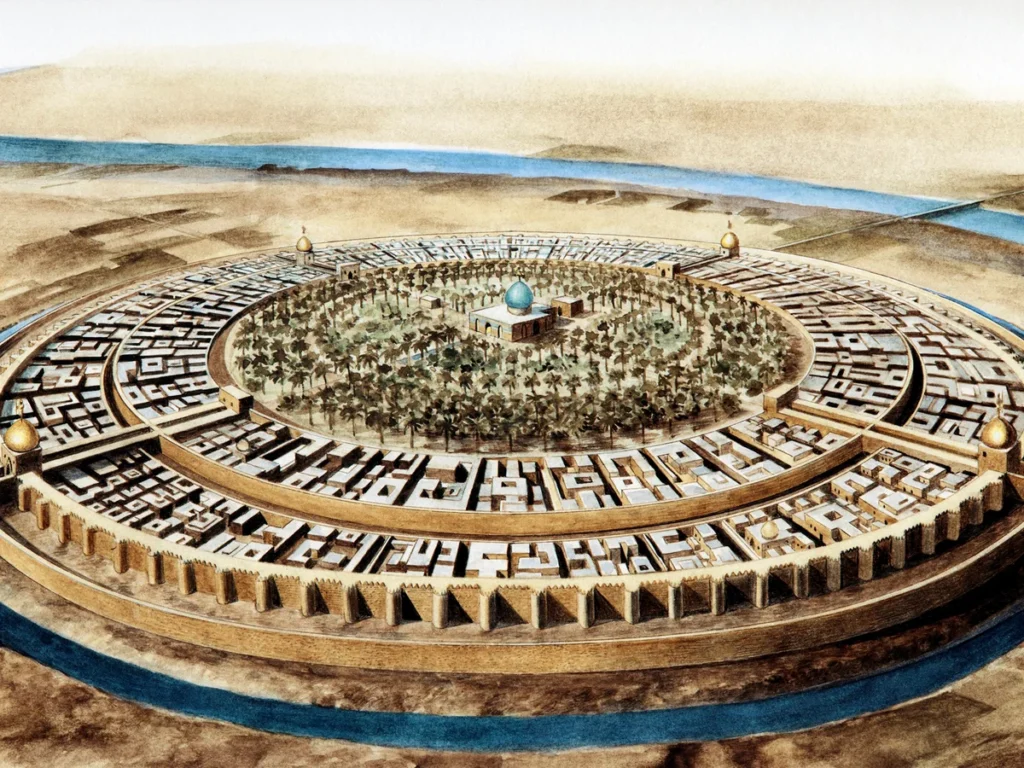
The city of Baghdad as it’s historically known as the Round City of Baghdad, Was an urban planning revolution of its time. Conceived by Caliph Abu Ja’far al-Mansur, the capital was built as a perfect circle, symbolizing the center of the world . This design influenced urban planning in other parts of the world, and showcased Baghdad’s transformation into one of the largest cities on the planet.
The Cause of Baghdad’s Intellectual Flourishing
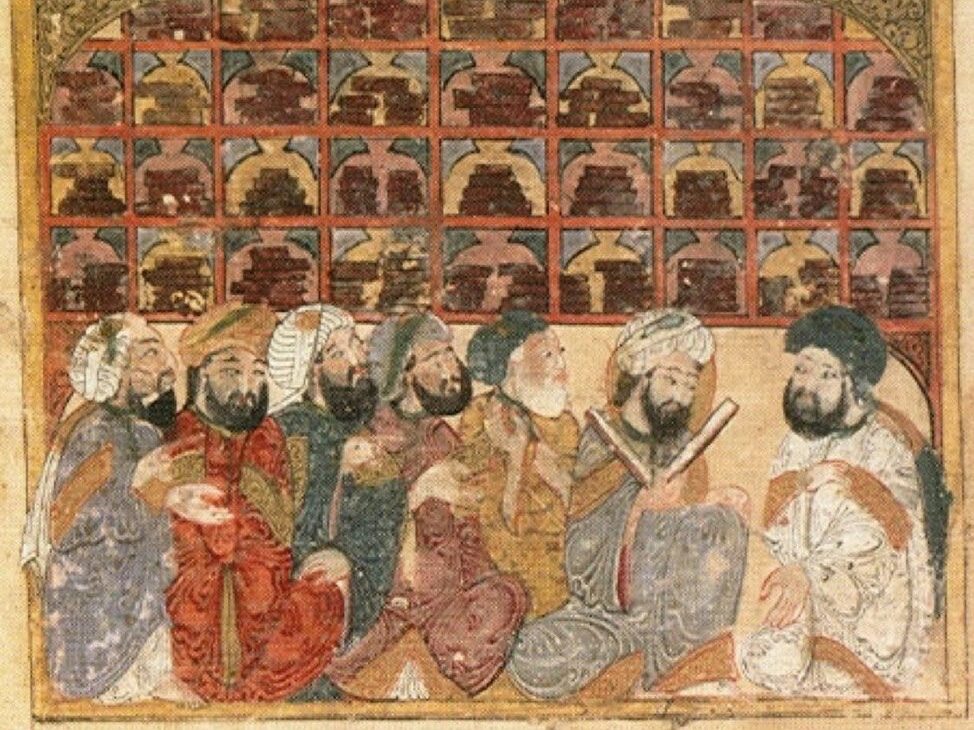
The establishment of the House of Wisdom (Bayt al-Hikma) academy illustrates the Abbasid commitment to turning Baghdad into the world’s premier scientific center. Scholars gathered here to translate and develop the works of ancient thinkers. This effected not only the culture but also had profound effects, like the development of algebra, advancements in medicine, and philosophical discourse that would later influence European Renaissance thinkers.
The destruction of Baghdad
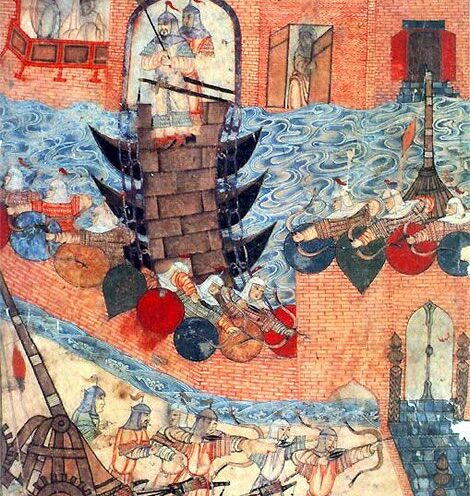
The destruction of Baghdad by the hands of Mongols (1258) put an end to The era of prosperity. The capture and looting of the city by Hulagu Khan’s troops led to catastrophic consequences. Not only were priceless libraries destroyed, including the “House of Wisdom”, but complex irrigation systems were also ruined, which undermined the region’s agriculture for centuries and led to a long decline.
Also leading to shifts in power and the dispersal of scholars and artisans. Nevertheless, the city’s contributions to knowledge and culture persisted, influencing Islamic civilization and beyond.
Key Milestones in the History of Baghdad
The history of Baghdad is full of rises and falls. From a shining capital of world science to a city that has survived numerous tragedies, here are the key milestones of its journey.
|
Period |
Event |
Description |
|---|---|---|
|
762 |
Foundation of the city. |
Abbasid Caliph al-Mansur founded Baghdad 762 C.E., intending it to serve as the capital of Islam and calling it “Madinat-us-Salaam,” or City of Peace. |
|
9th–10th Centuries |
The Golden Age |
Baghdad served not only as a political but also as an intellectual center of the Islamic Empire, superseding earlier centers of Islamic expansion at Mecca, Medina, Jerusalem and Damascus. Baghdad’s round shape was seen as the manifestation of the new Islamic cosmology, and the Abbasid court became the primary patron of the wise men who fostered Islamic philosophy and Arabic literature. |
|
1055 |
The Seljuk rule. |
The Seljuk, conquered Baghdad, filling the power vacuum created by struggles between the Arab Abbasid Caliphate and the Iranian Buyid Empire. Although the Abbasid caliphs retain spiritual authority. |
|
1258 |
Mongol Invasion |
the Mongol general Hūlākū sacked Baghdad, slaughtering over 800,000 of its inhabitants and killing the 37th and final Abbasid caliph Mustaʿṣim. This catastrophic event marked the end of the five-hundred-year Abbasid caliphate, sending shockwaves throughout the Muslim world. |
|
1534 |
Incorporation into the Ottoman Empire |
.Iraq fell to the two Muslim rival powers: the Shi’ite Safavid empire and the Sunni Ottoman Empire, each aspiring for domination. Iraq was one of the battlegrounds where these two powers resulted in the victory of the Ottoman Turks over the Safavids. Iraq was no longer the centre of empires, but incorporated into the vast Ottoman Empire. |
|
1623-1638 |
The Persian rule |
The city temporarily passes under the control of Safavid Iran but is subsequently recaptured by the Ottomans. |
|
1917 |
The British rule. |
British and Indian soldiers of the Mesopotamian Expeditionary Force (MEF) marched into Baghdad and occupied it in order to restore order and halt the looting that had followed the city’s evacuation by Ottoman forces |
|
1921 |
Creation of Kingdom of Iraq |
It become the Capital of the Kingdom of Iraq. The British created the kingdom of Iraq , and Baghdad became the capital. |
|
1958 |
Proclamation of the Republic |
Iraqi military coup, was a military coup that took place on 14 July 1958 in Iraq, resulting in the toppling of King Faisal II and the overthrow of the Hashemite-led Kingdom of Iraq. The Iraqi Republic established in its wake ended the Hashemite Arab Federation between Iraq and Jordan that had been established just six months earlier . |
|
1979-2003 |
Saddam Hussein Rule |
the long-serving president of Iraq, ruling from July 1979 until his overthrow in April 2003. Saddam Hussei blending Arab socialism with an iron-fisted police state. His 24-year presidency was defined by massive modernization, aggressive regional wars, and extreme brutality against political dissidents and minority groups. |
|
2006-Present |
Constitutional Republic. |
constitutional governance in Iraq. It is defined by regular multi-party elections, rotating prime ministers, and a complex system of sectarian power-sharing |
Baghdad’s Notable Figures
Baghdad has been a center of science, culture, and power, giving the world numerous geniuses and iconic figures. For centuries, from founders and rulers to scholars and artists, these individuals not only shaped the city’s appearance but also made a huge contribution to world civilization.
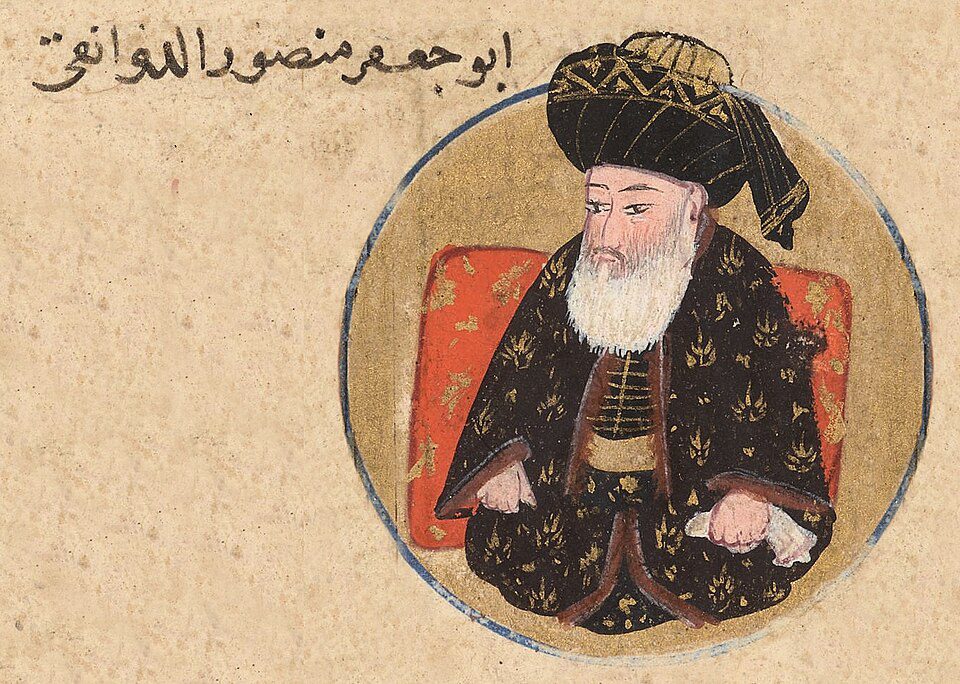
Abu Ja’far al-Mansur (c. 714–775)
He was the second Abbasid Caliph reigning from 136 AH to 158 AH (754 AD – 775 AD) and succeeding his brother Abu al-‘Abbas al-Saffah. Al-Mansur is generally regarded as the real founder of the Abbasid Caliphate, one of the largest polities in world history, for his role in stabilizing and institutionalizing the dynasty. He is also known for founding the ’round city’ of Madinat al-Salam which was to become the core of imperial Baghdad.
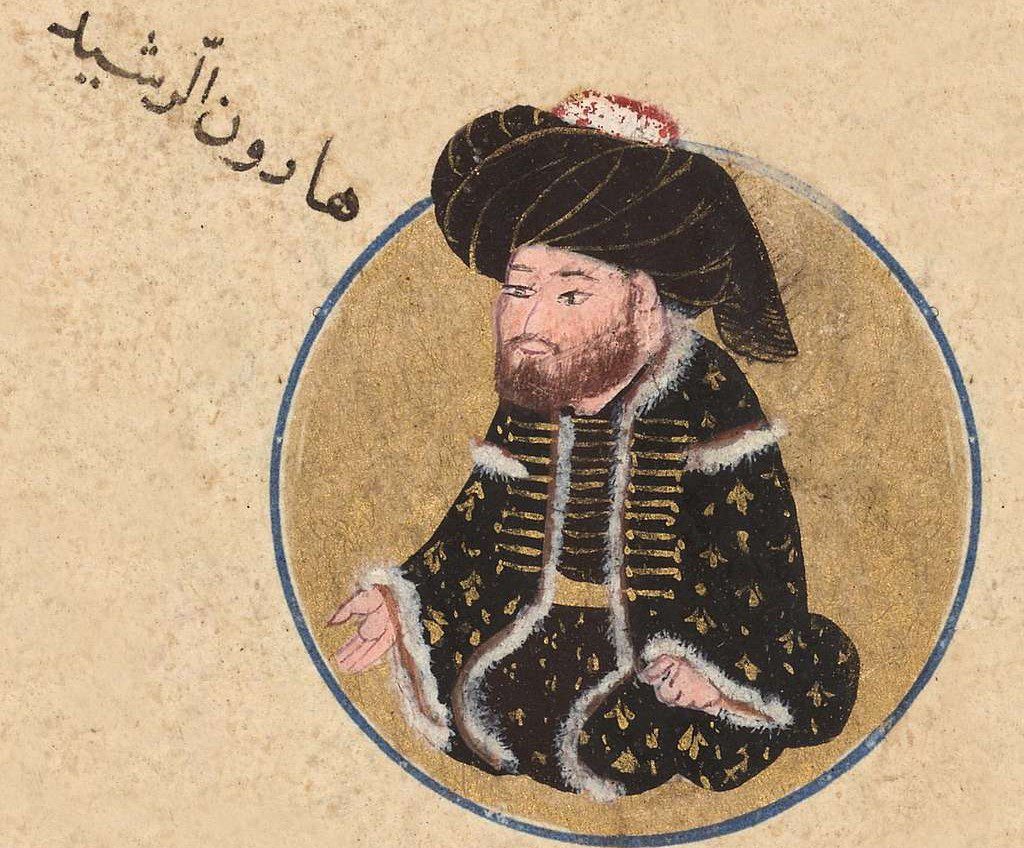
Harun al-Rashid (c. 763–809)
The fifth caliph of the Abbasid dynasty. His epithet “al-Rashid” translates to “the Orthodox”, “the Just”, “the Upright”, or “the Rightly-Guided”. Al-Rashid ruled from 786 to 809, during the peak of the Islamic Golden Age. He established the legendary library Bayt al-Hikma (“House of Wisdom”) in Baghdad in present-day Iraq, and during his rule Baghdad began to flourish as a center of knowledge, culture and trade. During his rule, the family of Barmakids, which played a deciding role in establishing the Abbasid Caliphate, declined gradually.
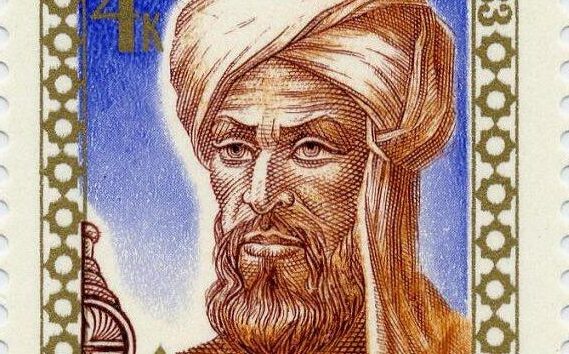
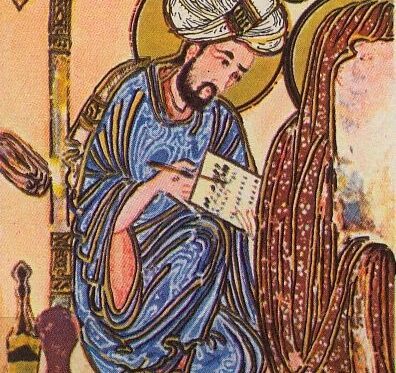
Al-Khwarizmi (c. 783–850)
As a Muslim mathematician and astronomer whose major works introduced Hindu-Arabic numerals and the concepts of algebra into European mathematics. Latinized versions of his name and of his most famous book title live on in the terms algorithm and algebra.
Al-Kindi (c. 801–873)
Al-Kindi which was a center for Arab culture and learning in the 9th century. was an Arab polymath: an Islamic philosopher, scientist, astrologer, astronomer, cosmologist, chemist, logician, mathematician, musician, physician, physicist, psychologist, and meteorologist . Al-Kindī was the first of the Muslim Peripatetic philosophers, and is known for his efforts to introduce Greek and Hellenistic philosophy to the Arab world
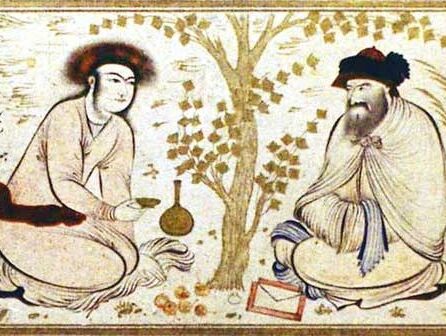
Abu Nuwas (c. 756–814)
One of the greatest poets of classical Arabic literature. He lived at the court of Harun al-Rashid and became famous for his free-spirited lyrics celebrating the joys of city life and love, which was a bold departure from traditional Bedouin poetry. One of the central streets of Baghdad along the Tigris embankment bears his name.
Baghdad’s top Attractions and Historical Sites
From ancient ruins to sacred shrines, here are some of the most remarkable Baghdad attractions
and historical sites worth exploring.
Al-Mutanabbi Street
Welcome to Al-Mutanabbi Street, the ‘ historic Book Market of Baghdad’, where books remain in the street at night because Iraqis say: “The reader does not steal and the thief does not read.”
No visit to Baghdad is complete without exploring Al-Mutanabbi Street, one of the city’s most iconic historical sites and the historic center of Baghdad bookselling, that dates back to the time of the Abbasids. Located near the old quarter of Baghdad, it was Baghdad’s first book traders’ market. Due to its infinite supply of books, it served as a contemporary witness to the never-ending political and cultural changes that took place in Mesopotamia over the years.
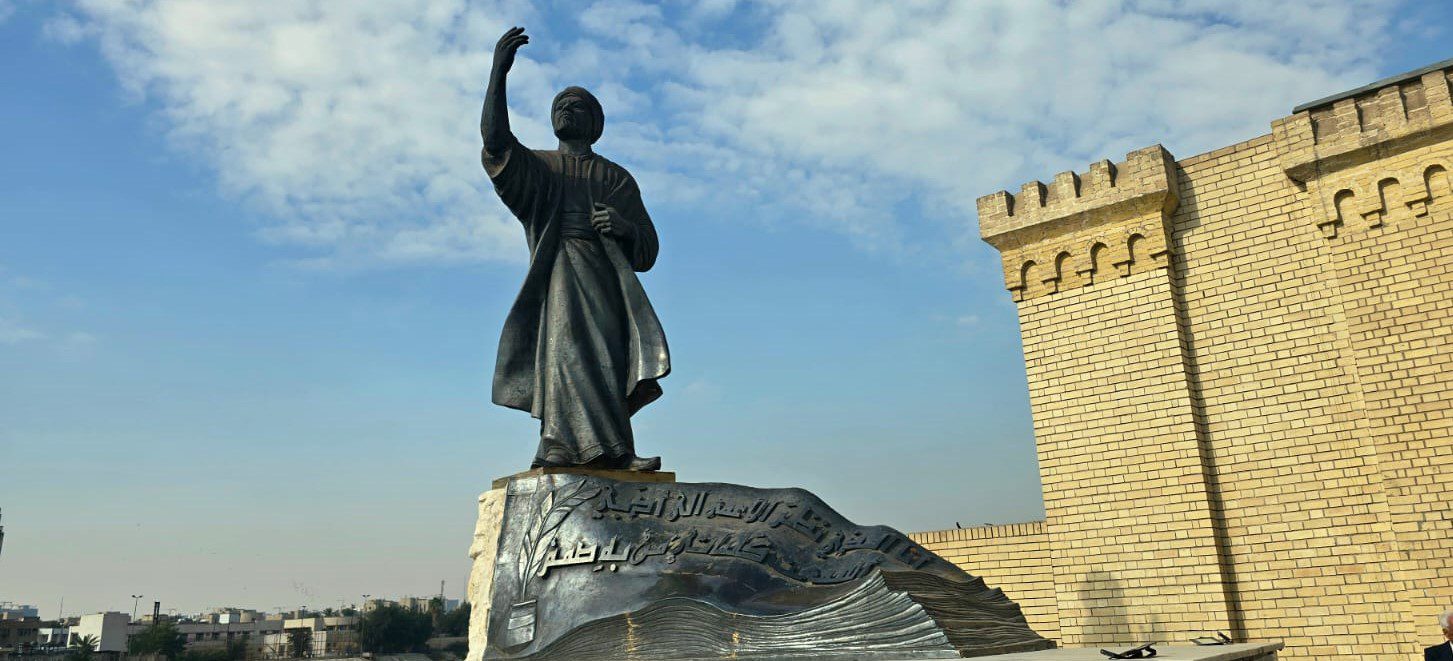

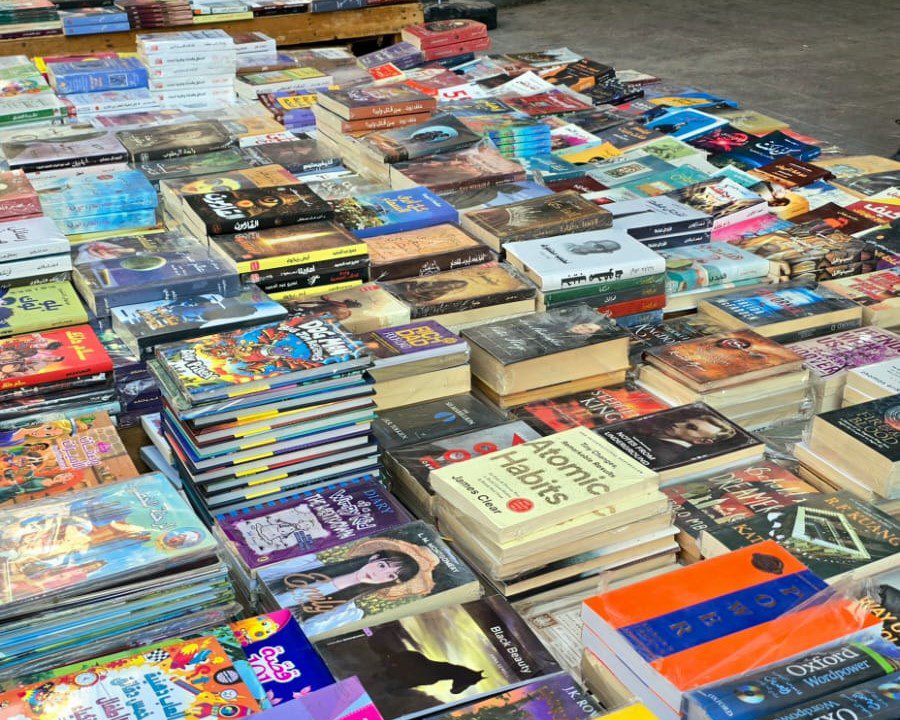
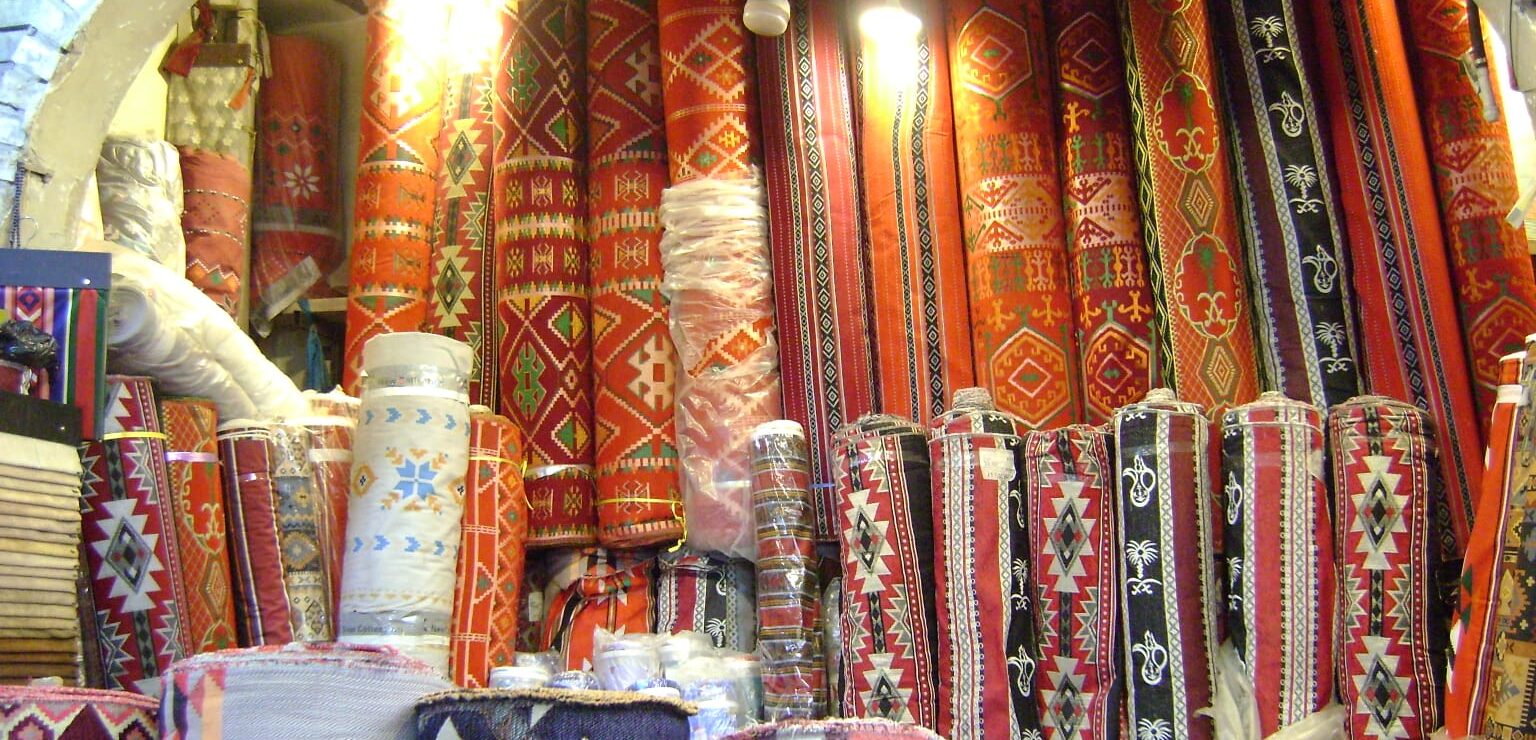
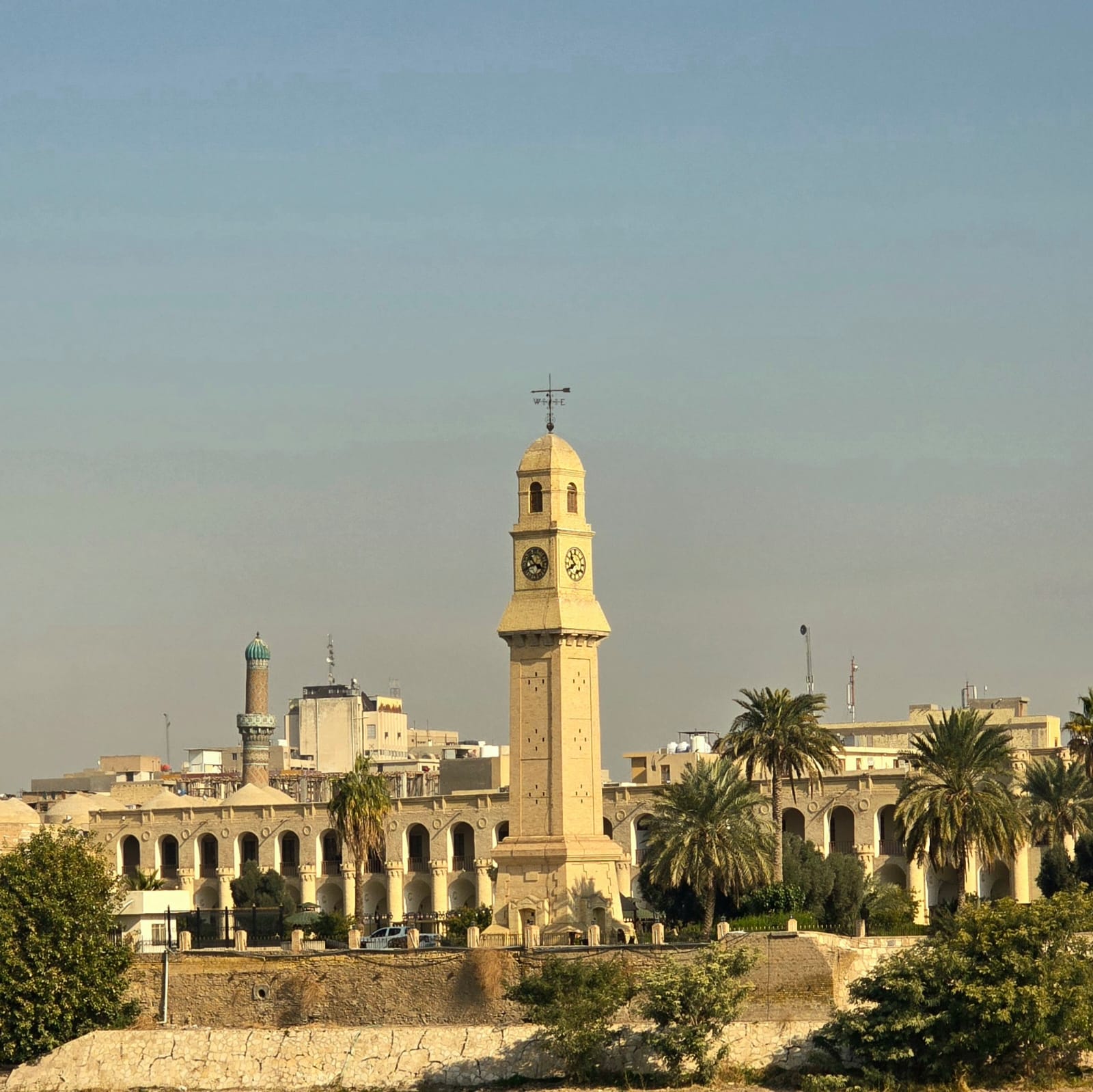

Stretching for just under one kilometre, the street begins with a statue of its namesake al-Mutanabbi Street, is a haven on the Tigris ,the commercial and intellectual center with a captivating and distinguished history. It is the place where knowledge was nourished and diversity respected; where people exchanged books and literature, and shared ideas regardless if they were Sunni, Shia, Christian, Arab, or Kurd. On al-Mutanabbi Street, they were just Iraqis.
The street has been restored The goal of the restoration is to bring back the cultural vitality that has defined Al-Mutanabbi for generations, in addition to rebuilding physical areas. As a result, this project reflects Iraqis’ desires to recover their identity and legacy.
Martyr’s Monument (Al-Shaheed)
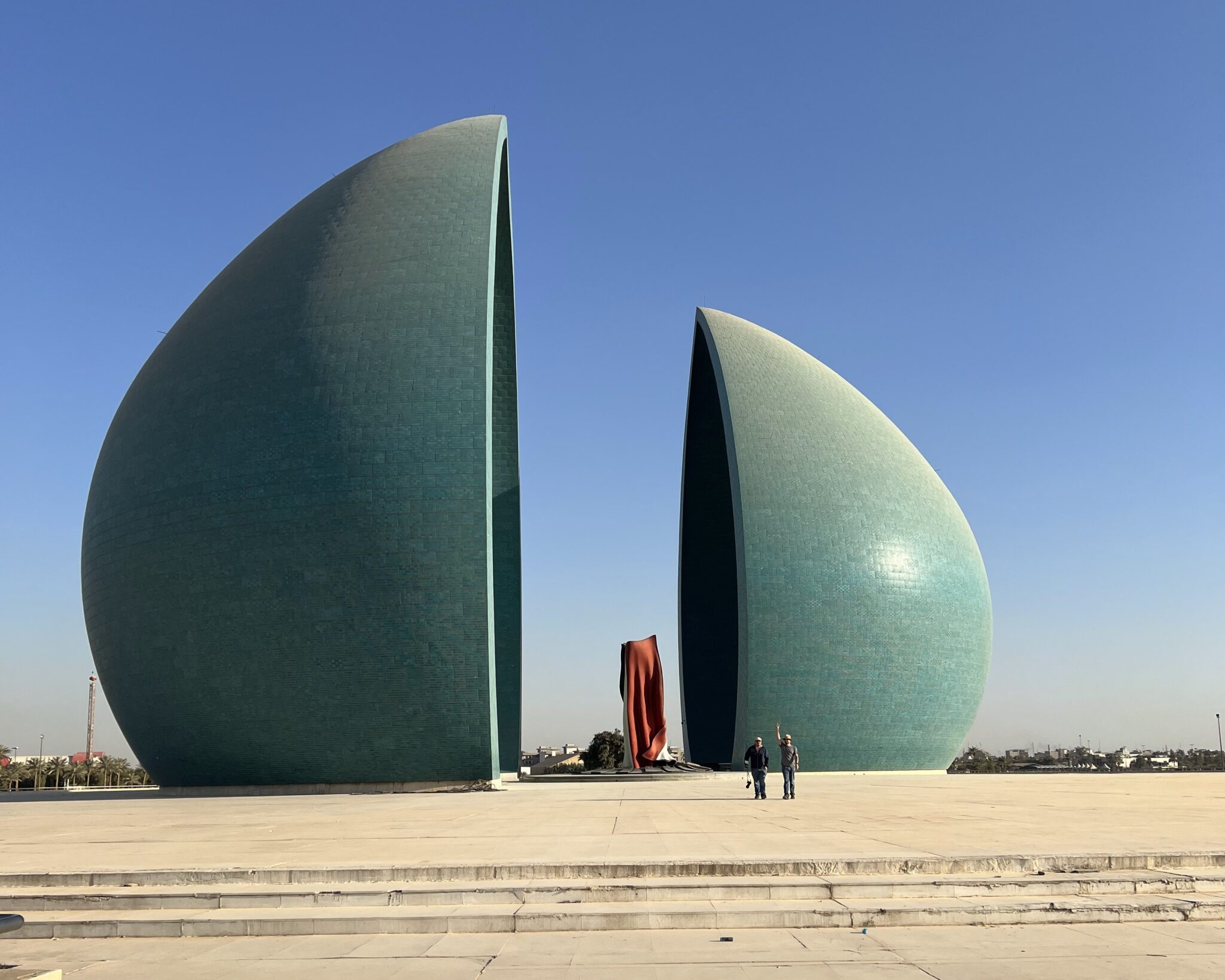
The al-Shaheed Monument (Arabic: nsb alshhyd), also known as the Martyr’s Memorial, is a monument in the Iraqi capital Baghdad dedicated to the Iraqi soldiers who died in the Iran-Iraq war. The Memorial was commissioned early after the start of the war in 1981, and completed in 1983, five years before the war would end. It was designed by the Iraqi architect Saman Kamal and the Iraqi sculptor and artist Ismail Fattah al-Turk. During the 1970s and 1980s, Saddam Hussein’s government spent a lot of money on new monuments, which included the al-Shaheed Monument.this was part of a greater plan to create an image of Saddam Hussein as a victorious, successful leader, together with two other monuments in Baghdad.
The monument consists of a circular platform 190 meters in diameter in the center of an artificial lake. On the platform sits a 40-meter tall split turquoise dome, which resembles the domes of the Abbasid era.The dome is made up of two separate structures so when walking around the monument, it gives a dynamic illusion as it appears to close up and then reopen again, symbolising the martyrs’ legacy, To the left and right of the dome are two lakes and this symbolises Heaven because this is where we believe the martyr descends to .

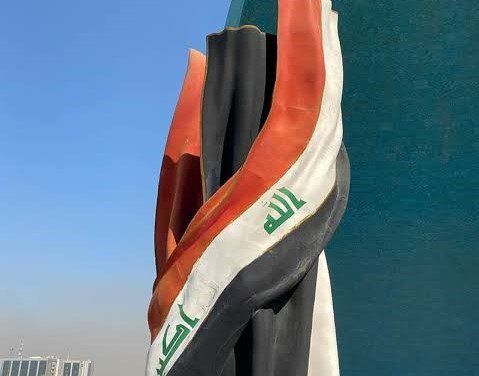

Liberation square
The Freedom Monument in Baghdad’s Tahrir Square is one of Iraq’s most iconic works of art and a lasting symbol of the people’s struggle for dignity and liberation. It was commissioned in 1958 by Brigadier General Abd al-Karim Qasim, leader of the newly formed Iraqi Republic as a declaration of national independence for this reason one cannot extricate the idea of the Freedom Monument from the political reality in Iraq in the middle of the twentieth century.
This unique monument was designed by the renowned Iraqi sculptor Jawad Salim; it reflected the country’s deep political, social, and cultural transformations.
This monument is more than an artwork; it is a visual document that captures the hopes of an entire nation. Over time, it has become a central landmark in Baghdad’s collective memory and a stage for public expression and civic voice. It symbolises liberation with most protests taking place here over the last few decades.
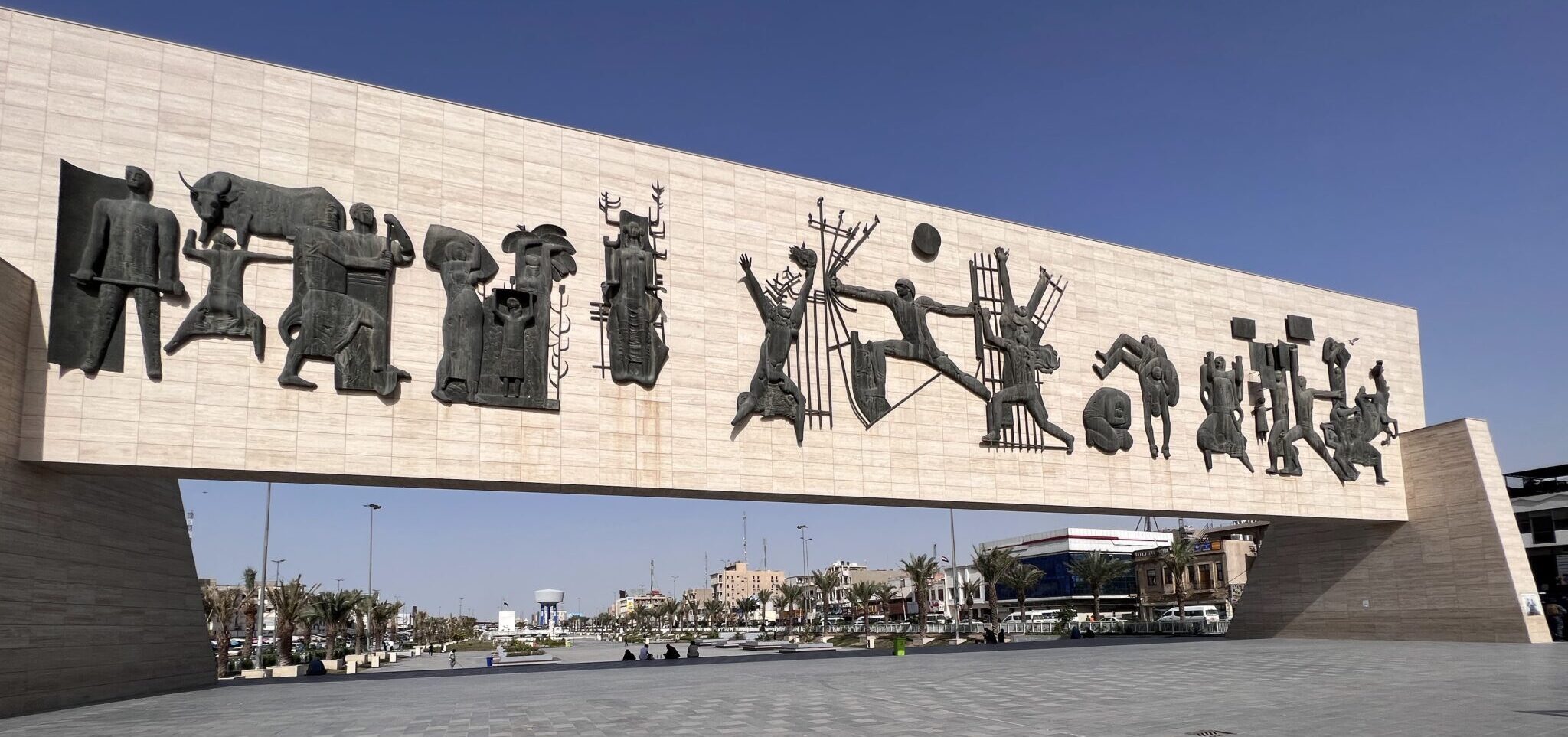
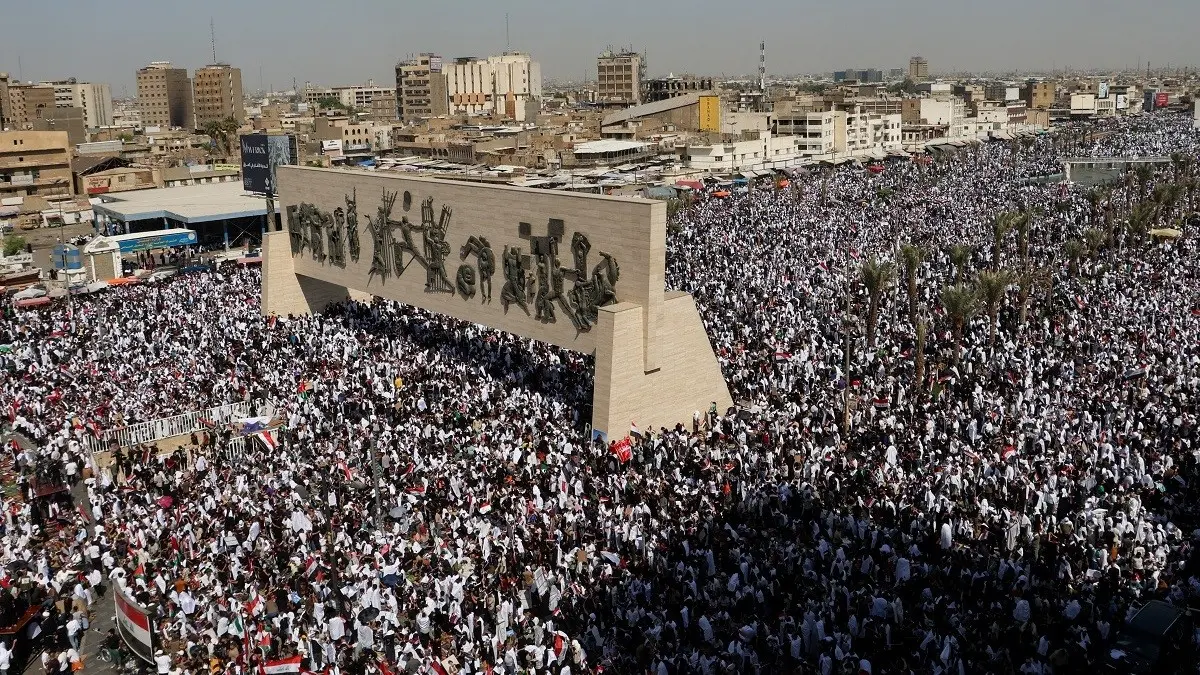
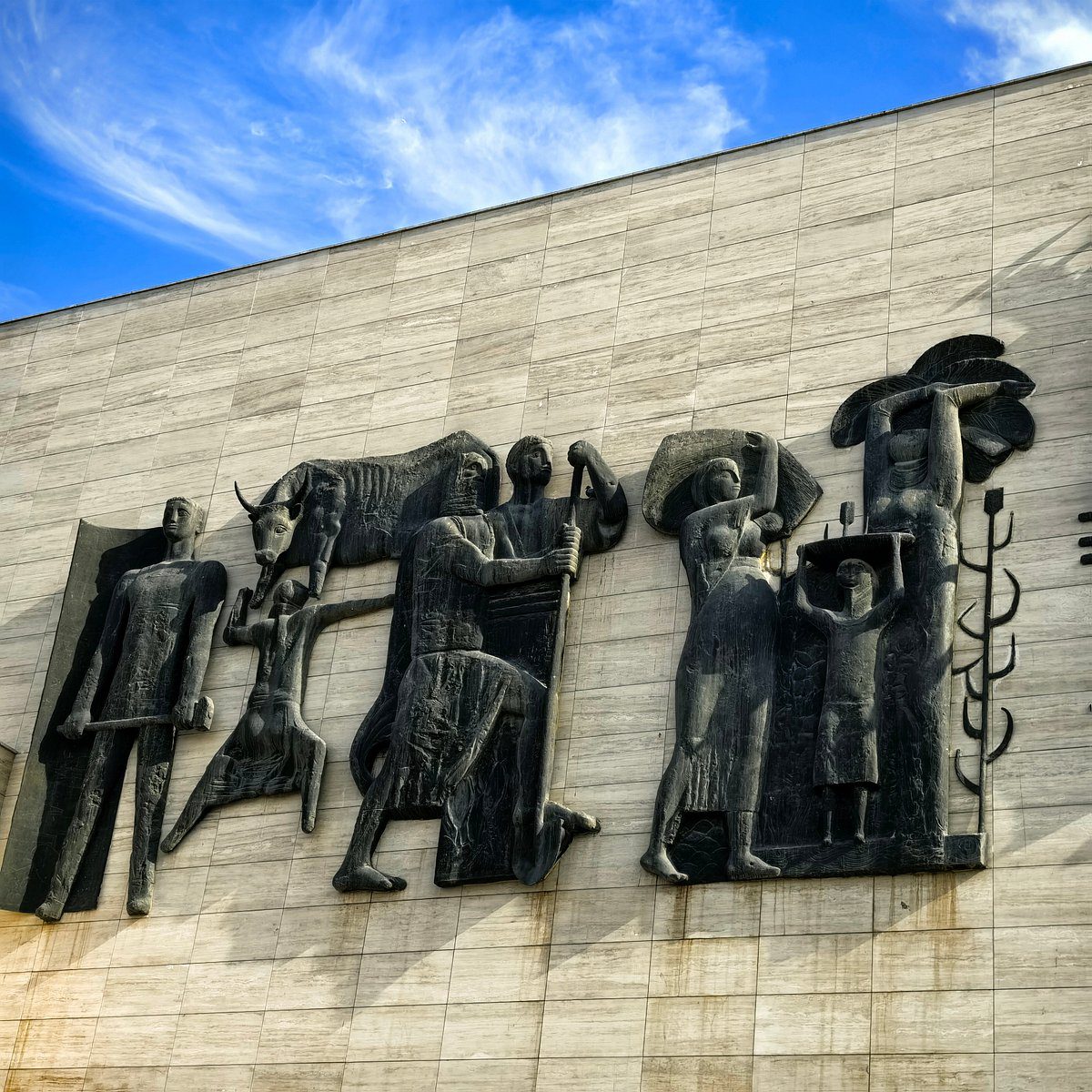
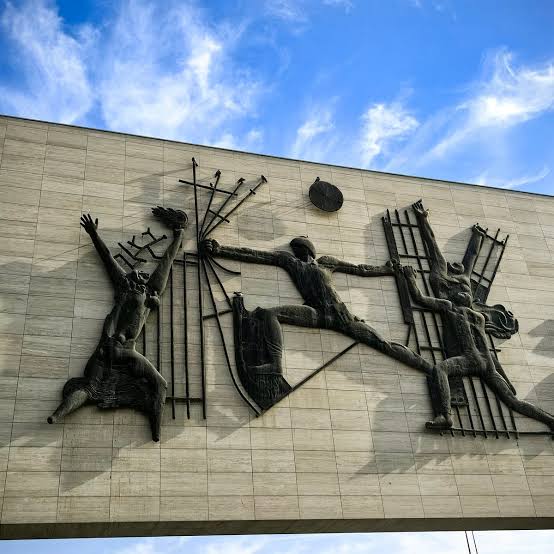
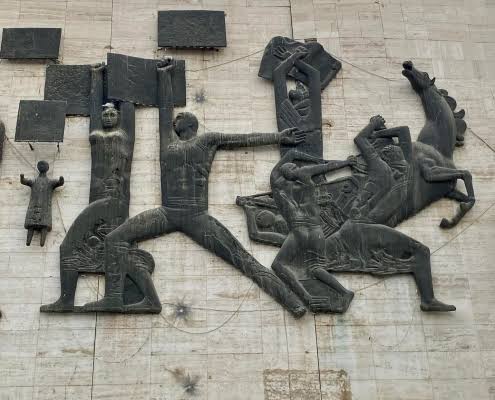
The monument consists of 14 raised bronze reliefs mounted on a long travertine wall measuring 50 meters in length and nearly 10 meters in height. The sequence reads as a verse of Arabic poetry from right to left, portraying a timeline of oppression, resistance, and ultimately, triumph and freedom.At the center, a soldier is seen breaking the bars of a prison, an evocative symbol of liberation. Nearby, a woman holds a torch representing enlightenment and freedom, followed by figures of a worker, a mother, and a child all representing the unity and resilience of the Iraqi people .Salim included different Iraqi civilisations so there are Arabic, Babylonian and Sumerian features. , merging it with modern visuals to create a powerful dialogue between history and future vision.
The importance of this monument comes not only from being the most important artistic edifice in Baghdad since its inauguration in the early sixties until now, its importance also originates from being the first major work of art created by an Iraqi artist since the era of the Assyrian civilization and its huge sculptures.
The Abbasid Palace
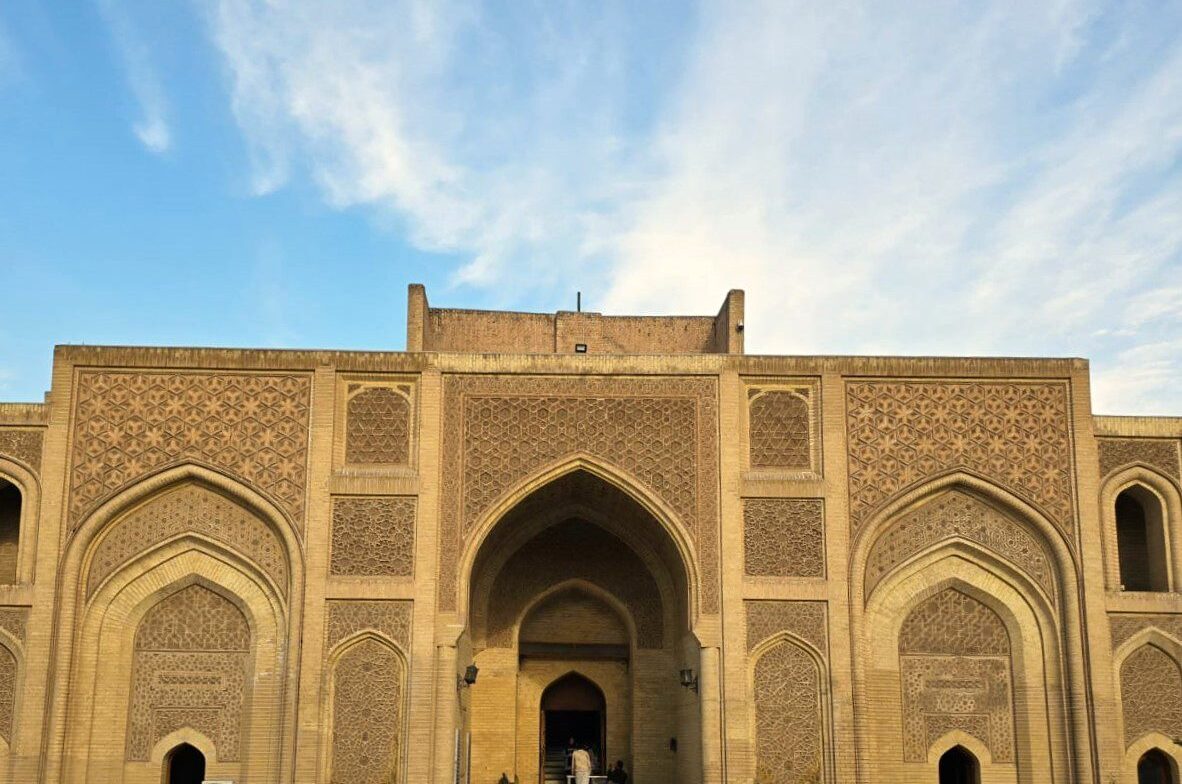
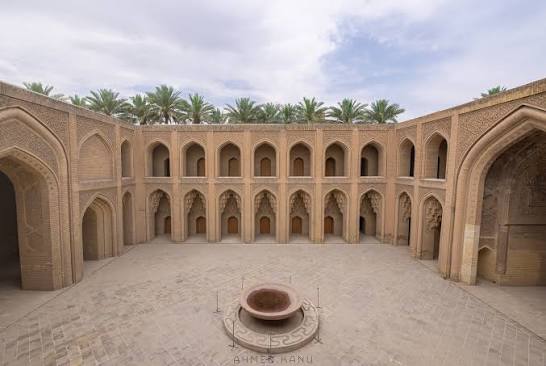
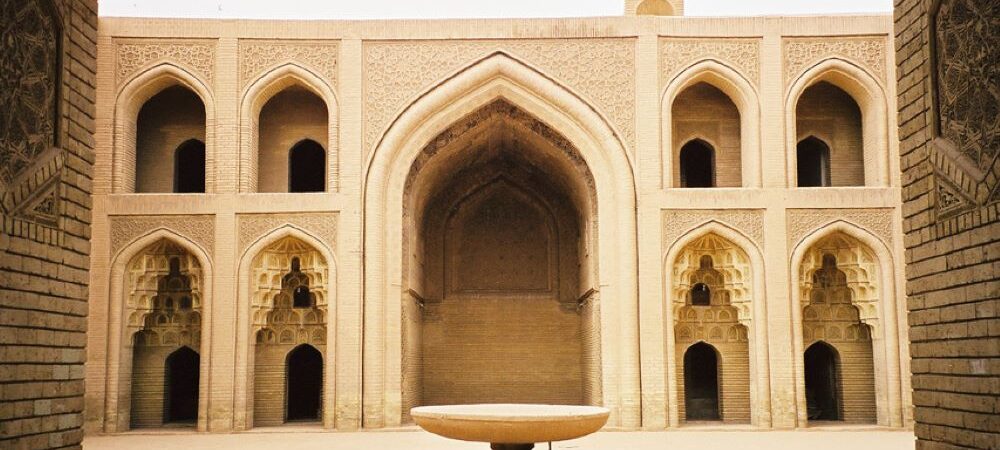
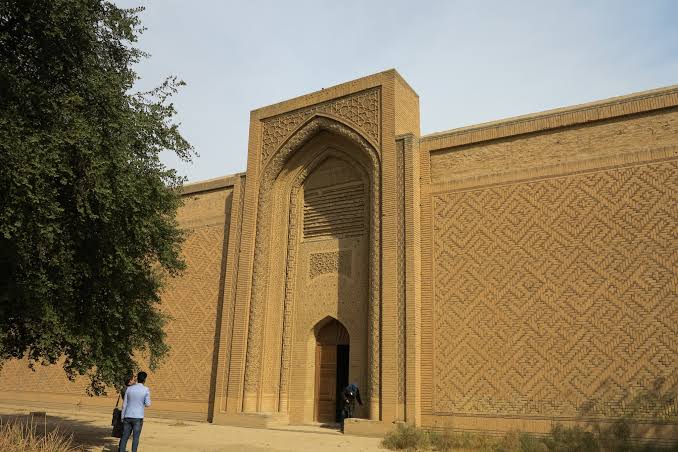
The Abbasid Palace is recognised to be one of the most important historical site in Baghdad, located northern of Al Mutanabbi Street close to the left bank of the Tigris River in the Maidan neighborhood. It was built approximately between 1179 to 1225 AD by the Caliph Al-Nasser, which is towards the end of the Abbasid Dynasty. Entirely built with wood and bricks, the palace represents the rich art of ancient Islamic architecture. the palace functioned as a medresa meaning school in Arabic rather than a palace where it gathered scientists and intellectuals to exchange ideas and culture.
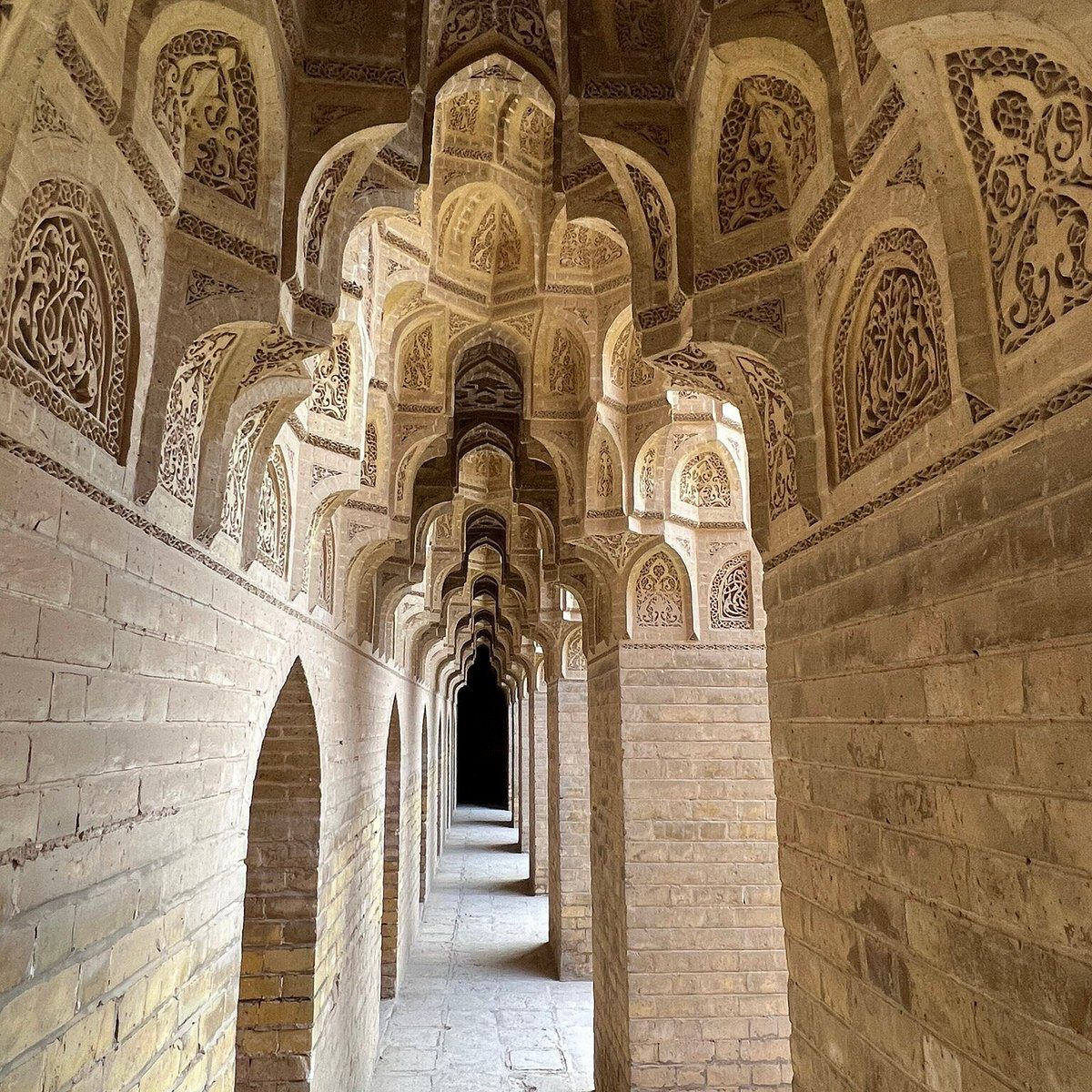
to best describe the palace.is a rectangular complex centered on a courtyard oriented east to west. The main entrance to the building is on its west side, which faces the river Tigris. The exterior walls are shaped with handmade ornaments and calligraphies. The inner courtyard sizes around 20m by 20m and is surrounded by archades topped with Muqarnas elements and different catacombs. The east wing consists of 16 rooms, while the west wing consists of 18 rooms. On the courtyard’s east side, an ornately decorated iwan rising two stories high flanked on either side by two archways leading onto cells. The mouth of the east i wan is a pointed arch framed by a field of geometric ornament based on a star and polygon pattern.The pointed arches represent the multiple doors and windows of the palace, this can be seen in the courtyard which is surrounded by these majestic structures. The courtyard can lead to different rooms of the palace through those pointed arches The Abbasid Palace portrayed the wealth of the Abbasid Caliphate as it became the Golden Age of Islam
The palace represent the best example for the Arabic-Islamic architectural art during the Abbasid period, during this period new artistic techniques were evolving especially Islamic art. The technique consists of geometrical shapes, floral-like patterns, and calligraphy which also were greatly influenced by Sassanian Art. The Abbasid Palace is covered in geometrical carvings from the walls to the ceilings. Now The palace stands in great preservation, inviting visitors to explore this rich heritage site.
National Museum Of Iraq
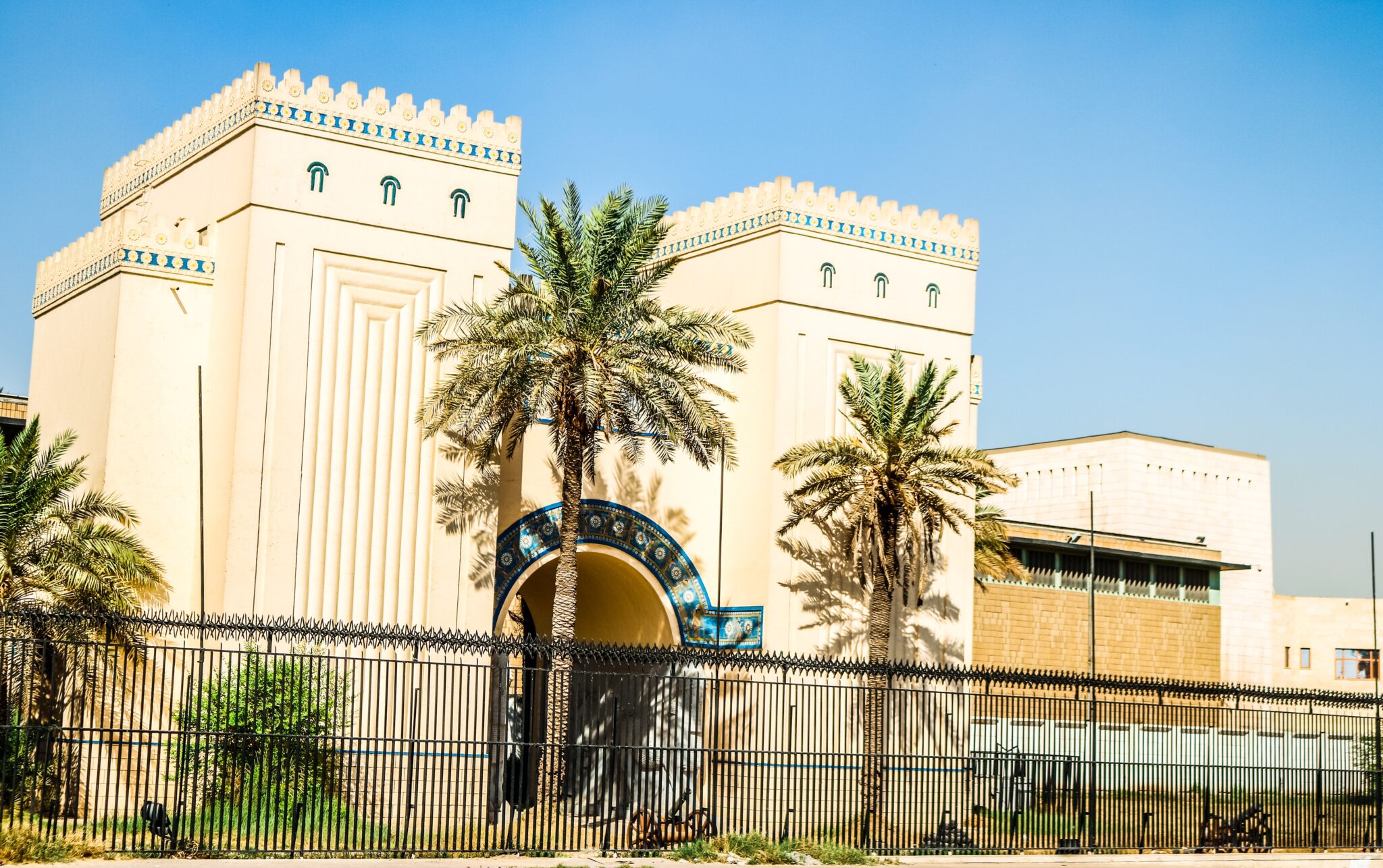
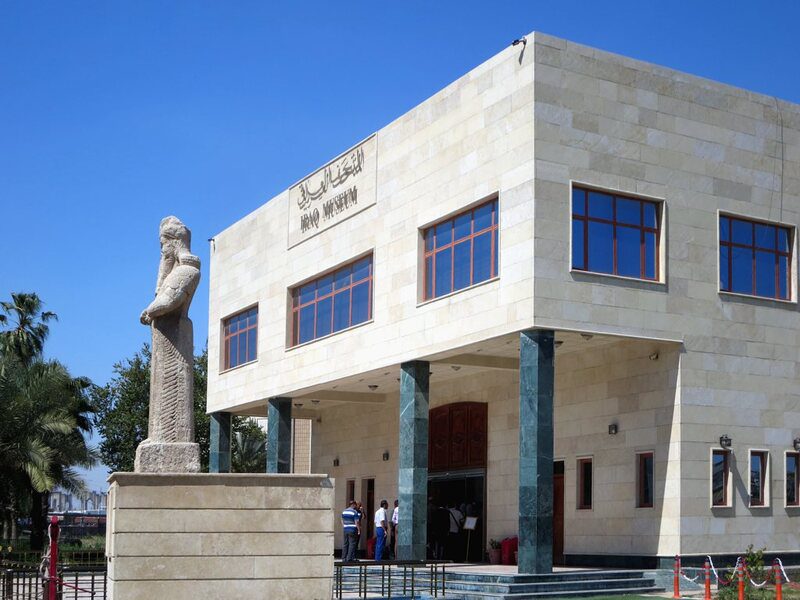
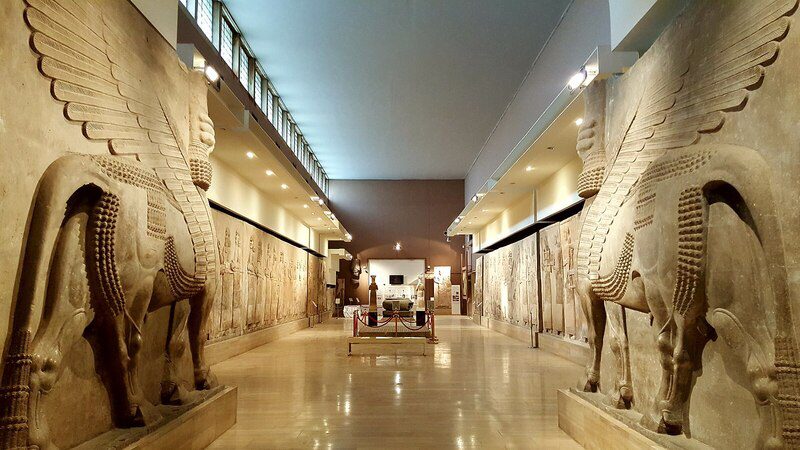
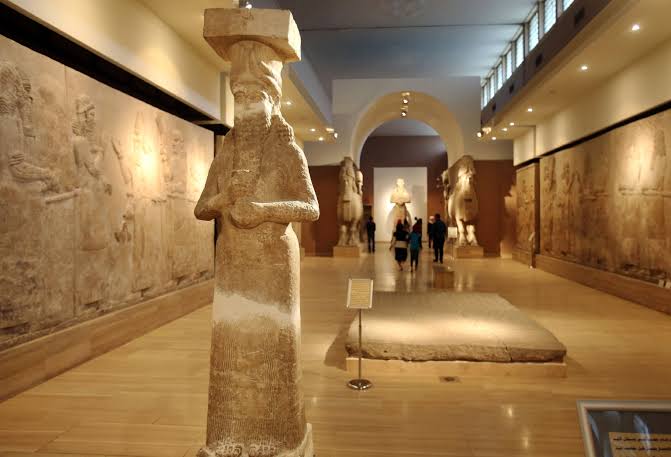
The Iraqi national museum was The museum was first opened in 1926 thanks to Gertrude Bell, who wanted Iraq’s discoveries to stay in the country. Its collections are considered among the most important in the world and the Museum has traditionally exhibited collections featuring the 5,000 year long history of Mesopotamia in its 28 galleries.
The Museum was closed from 1991 during the Gulf War and reopened on April 28, 2000 for former President Saddam Hussein’s birthday. On April 8, 2003 the museum staff was asked to leave the Museum. Thefts of collection items took place on April 07-12, and staff attempted to hold back looters. The Museum’s above ground storage rooms were looted but the exterior steel doors showed no signs of forced entry. Thousands of excavation site pieces (jars, vessels, pottery shards, etc.) were stolen, of which over 3,000 have been recovered. The thieves did not appear to be discriminating; for example, an entire shelf of fakes was stolen, while an adjacent shelf of much greater value was undisturbed. The number of looted collection items has been a matter of debate but Museum staff think about 15,000 items including 5,000 valuable cylinder seals were stolen.
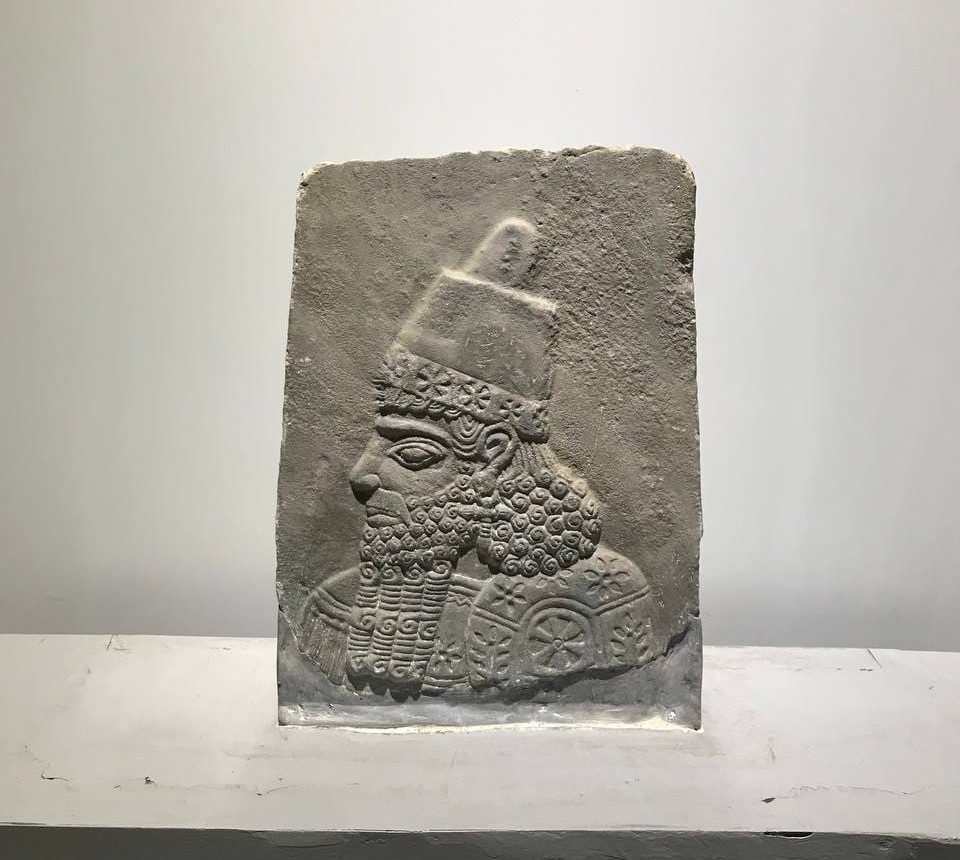
The Museum is dedicated to the collection and interpretation of the history of Iraq and its environs. The collections consist of mainly man-made objects covering the past 7,000 years. The types of objects in the collection represent Sumerian, Akkadian, Assyrian, Babylonian and Islamic cultures and include objects made of glass, pottery, metal, ivory, and parchment, among others.
The Iraq National Museum is the only institution dedicated to protecting the comprehensive and collective archaeological heritage of Iraq from loss or destruction in order that it may be enjoyed and studied by the present and future generations of citizens and survive for additional thousands of years. If these collections are worth keeping as heritage source materials, the identity of each item must be guarded. Time and effort are required to keep accurate records and care for the collections, which are the Museum’s principal assets. The reason for preserving collections is to use them as a means of bringing enrichment and knowledge to as many people as possible. The Museum plays an active role in the life of Iraq, by offering supplementary services including educational programming that encourages more frequent use of the artifacts that aid in the pursuit of new interests created by them.this makes it one of the essential things to do in Baghdad for history lovers
Ctesiphon
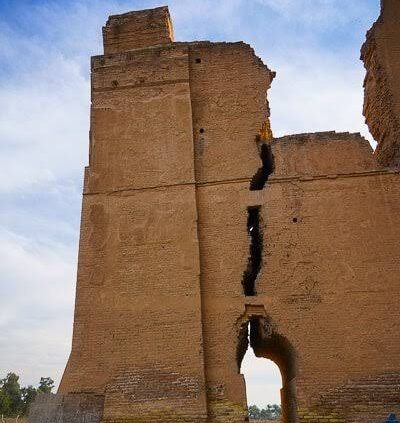
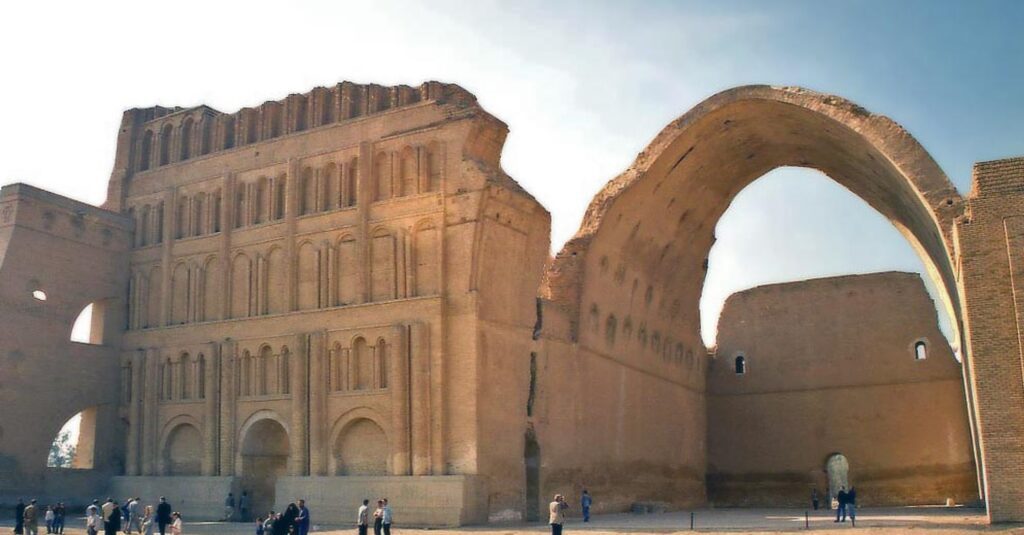
The ancient city of Ctesiphon, on the banks of Tigris, is located about 35 km southeast of modern Baghdad. Established in the late 120s BC, it was one of the great cities of late ancient Mesopotamia and the largest city in the world from 570 AD, until its fall in 637 AD, during the Muslim conquest. The only surviving structure of Ctesiphon today is the majestic vaulted hall of Taq Kasra, The date of the construction of the Taq Kasra is still disputed, but it is likely to have been between the 3rd and 6th centuries CE. It was built by a Byzantine architect named FarghánIt served as the palace of the Sasanian king Khosrow I, in the late 6th century. The archway is one of the largest single-span vaults of unreinforced brickwork in the world.
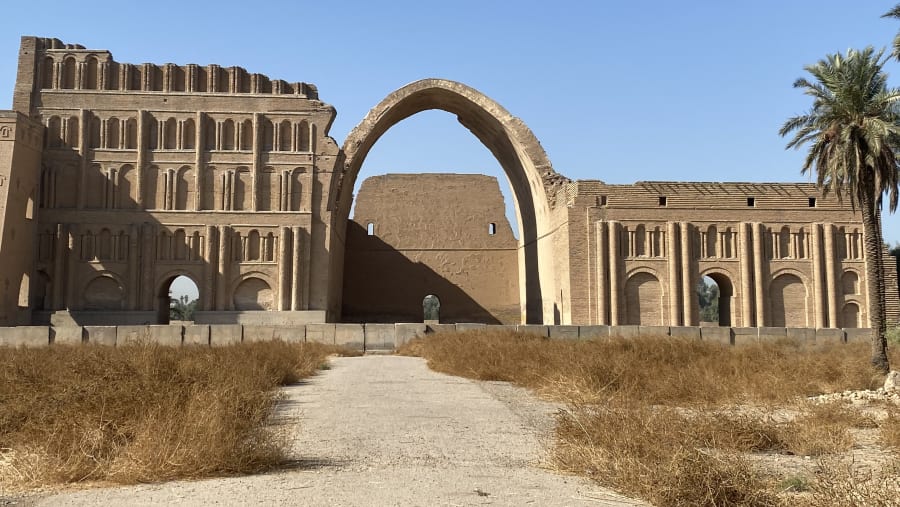
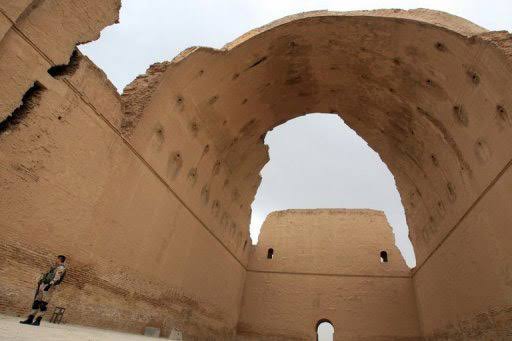
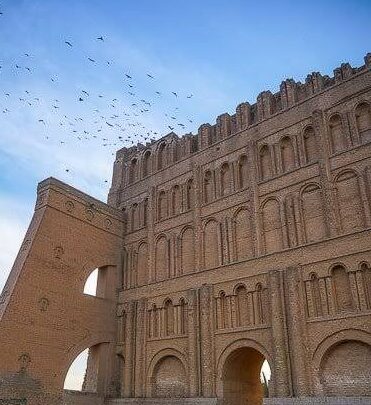
in ad 637, the Arabs defeated the Persian Empire and captured the palace, which was then used as a Mosque and later gradually abandoned. The palace was at risk of demolition during the foundation of Baghdad (ad 762–767). The Caliph Abu Ja’far al-Mansur wanted to use the material of the palace to build the new city, but he was persuaded by his counsellor, Khalid the Barmecide, to find the material elsewhere because the palace had become a symbol of Arab supremacy. Khalid said to the Caliph: ‘this ancient palace had become an abiding proof of the might of Islam; it was an enduring monument, for all who should behold it, of how the worldly glory of its builder, the great Chosroes, had come to naught before the religion of the Arabs, who had overthrown the Persian monarchy, and whose sovereign now ruled in its stead’.
Later al-Mansur did not follow this advice and began the demolition of the building, but he soon realized that the cost of demolishing the palace and transporting the material was higher than procuring new material, so the demolition was interrupted. The same danger reappeared during the tenth century ad, when the Caliph Ali Muktafi demolished part of the building to use its material for the construction of the Taj Palace in Baghdad.Then, the building was totally abandoned and forgotten By the 8th century, Ctesiphon had been fully superseded by the newly founded city of Baghdad, and Ctesiphon’s deserted ruins were used as a quarry for building materials. Subsequent floods destroyed all remaining structures, including Taq Kasra, one third of which was swept away by a flood in 1888.
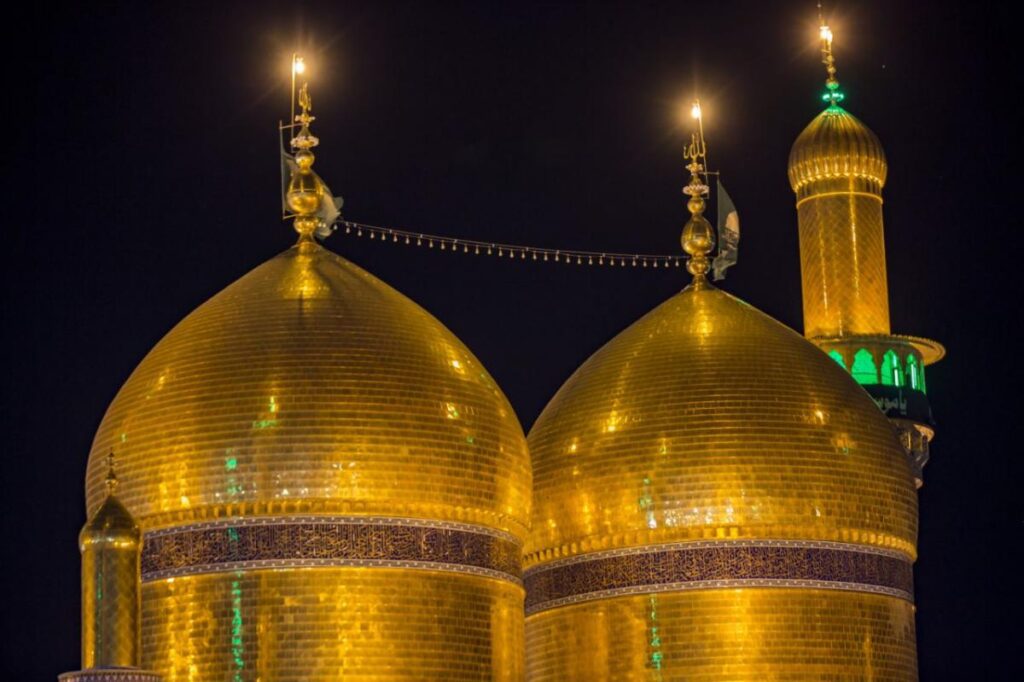
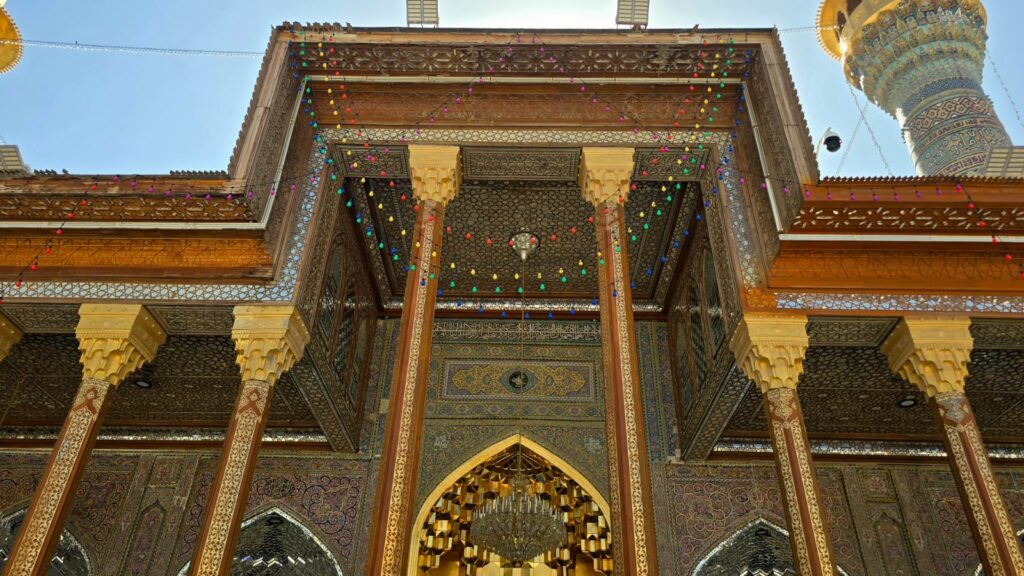
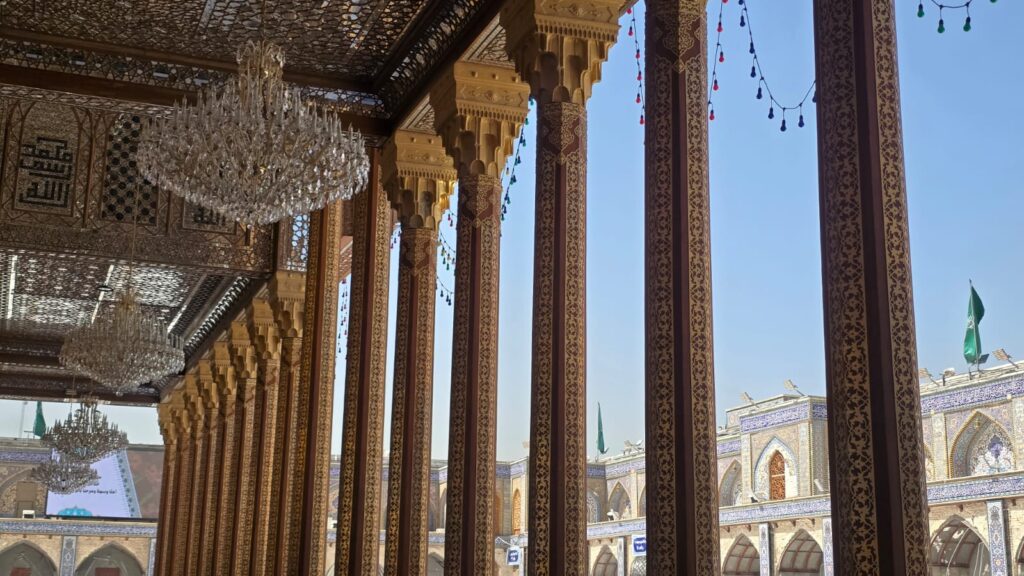
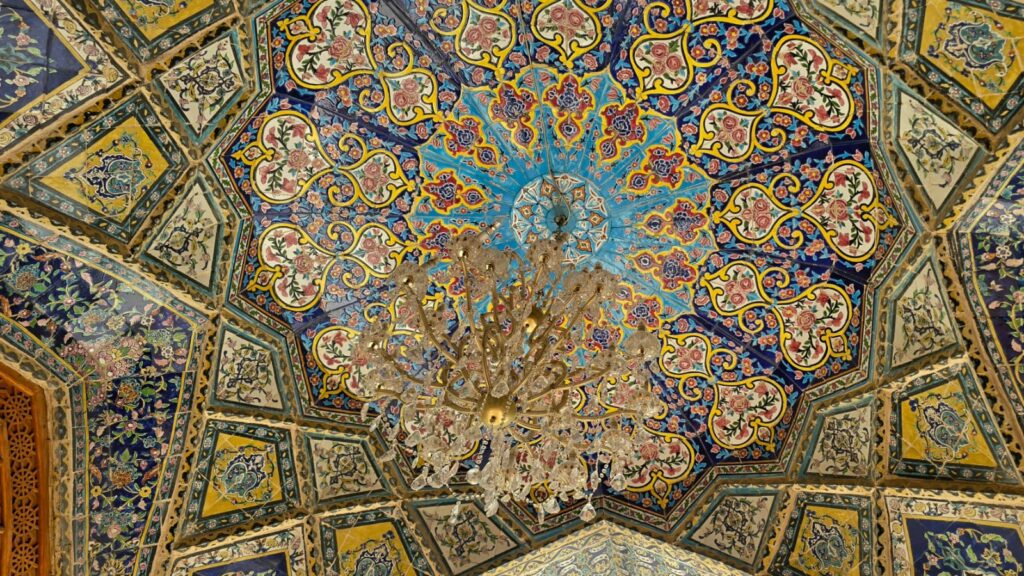
Imam Khadim Holy Shrine
The town of Al-Kadhimiya is said to be the oldest town in Iraq. Prior to the construction of Baghdad, Al-Kadhimiya was known as Shoneezi, an Arab name meaning the Black Grain. When the Abbasid Caliph Abu Ja’far Al-Mansour started the construction of the Round City of Baghdad This areas was made into a cemetery for the family of his family and was called Qureish cemetery. Within this cemetery was buried the holy Imam Musa bin Ja’far also known as Al–Kadhim who died in 799 AD (183 AH) Afterwards, his grandson, Imam Mohammad Al-Jawad who died in 834 AD (219 AH) was buried there.
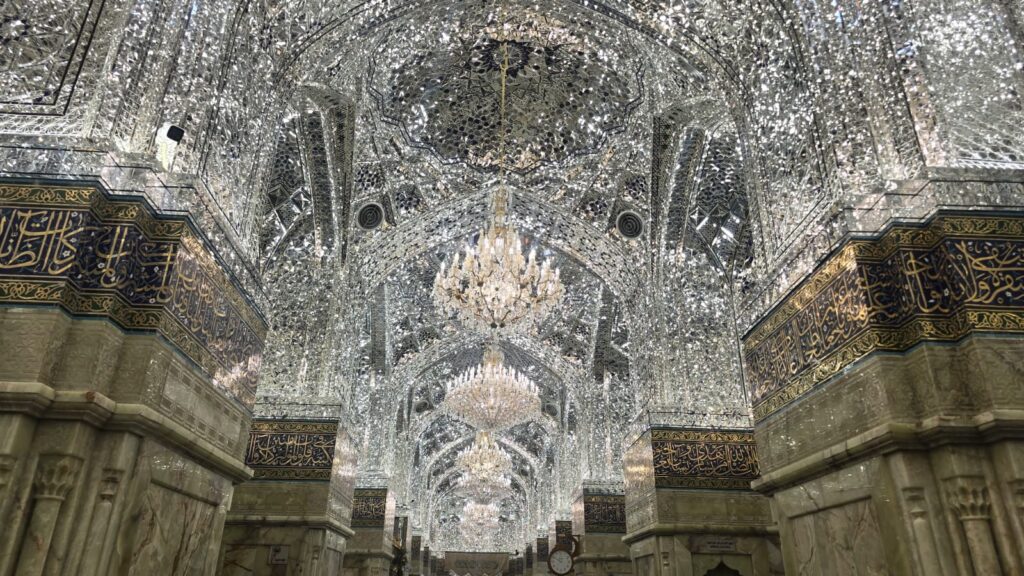
Anyone approaching Baghdad from the north or the west will be impressed by the sight of the golden minarets , the Shrine of the Two Imams, Imam Musa Al-Kadhim and Imam Muhammad Al-Jawad,. They are respectively the Seventh and the Ninth of the Twelve Shia’s Imams The shrine is said to be one of the most important shrines in the Islamic world. The structure is of exceptional architectural design with a huge gilded dome on a circular drum, there are minarets coated in gold rising above its courtyard and Kufic inscriptions are seen all around the mosque. It building dates back only to the beginning of the sixteenth century and has been kept in excellent repair. This building represents the restoration of Shah lsmail (1502 – 24), though when the Turkish Sultan, Suleman the Great, captured Baghdad and remained there for four months in 1534, he visited this sacred place, and is said to have contributed to the further ornamentation of the Shrine at Al-Kadhimiya
Imam Musa ibn Jaafar, known as al-Kadhim He lived during a period of severe political oppression under Abbasid rule, especially during the rule of Harun al-Rashid. The Imam was imprisoned for many years .Despite his isolation, his influence grew, He remained a reference of spiritual guidance. He trained trustworthy representatives who kept contact with his followers across different regions. The title “al-Kadhim” means “the one who suppresses anger”, reflecting his remarkable patience and ability to endure injustice without compromising truth. His life stands as a powerful example for Shia Muslims he represent patience, spirituality, and inner strength.
Tigris River
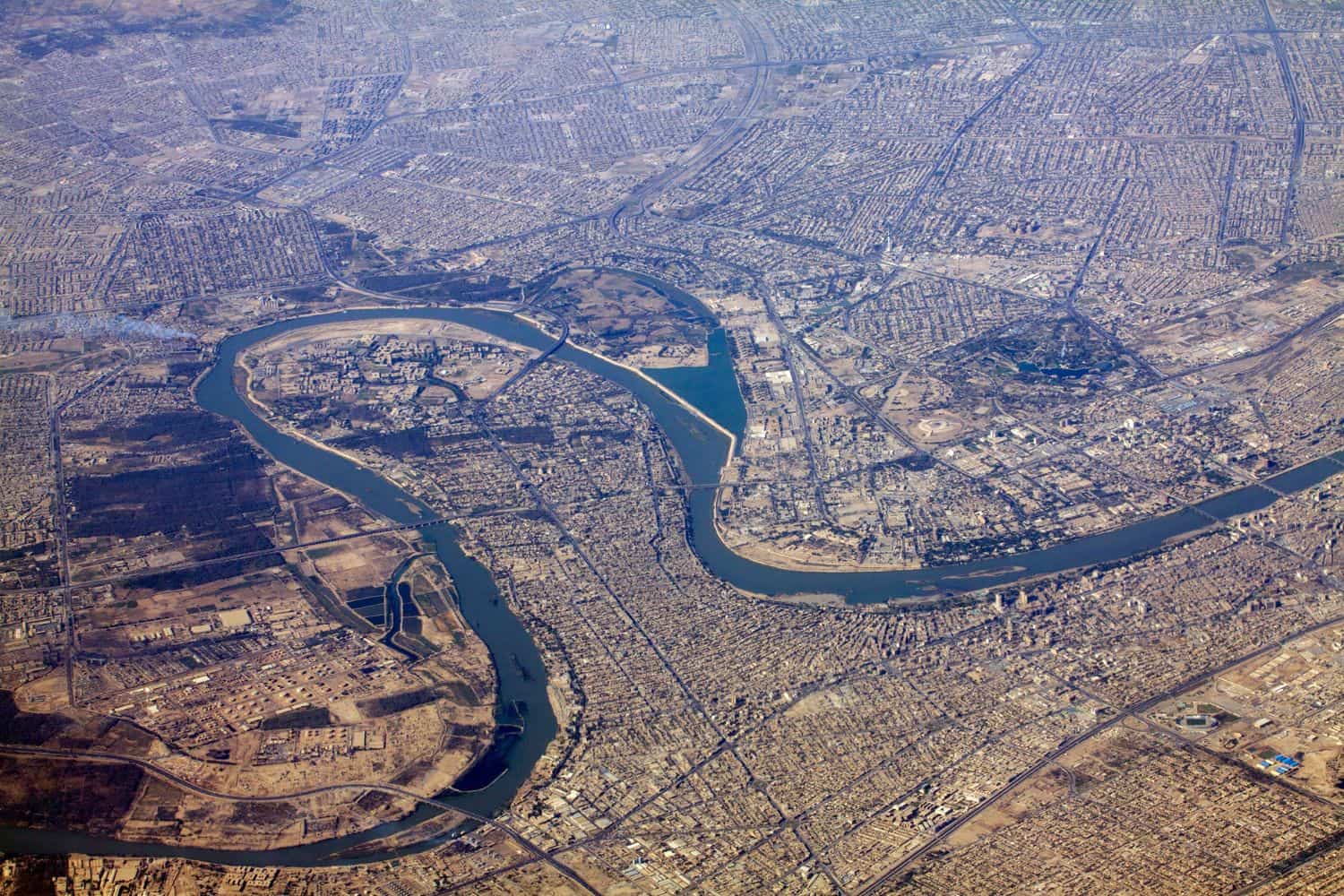
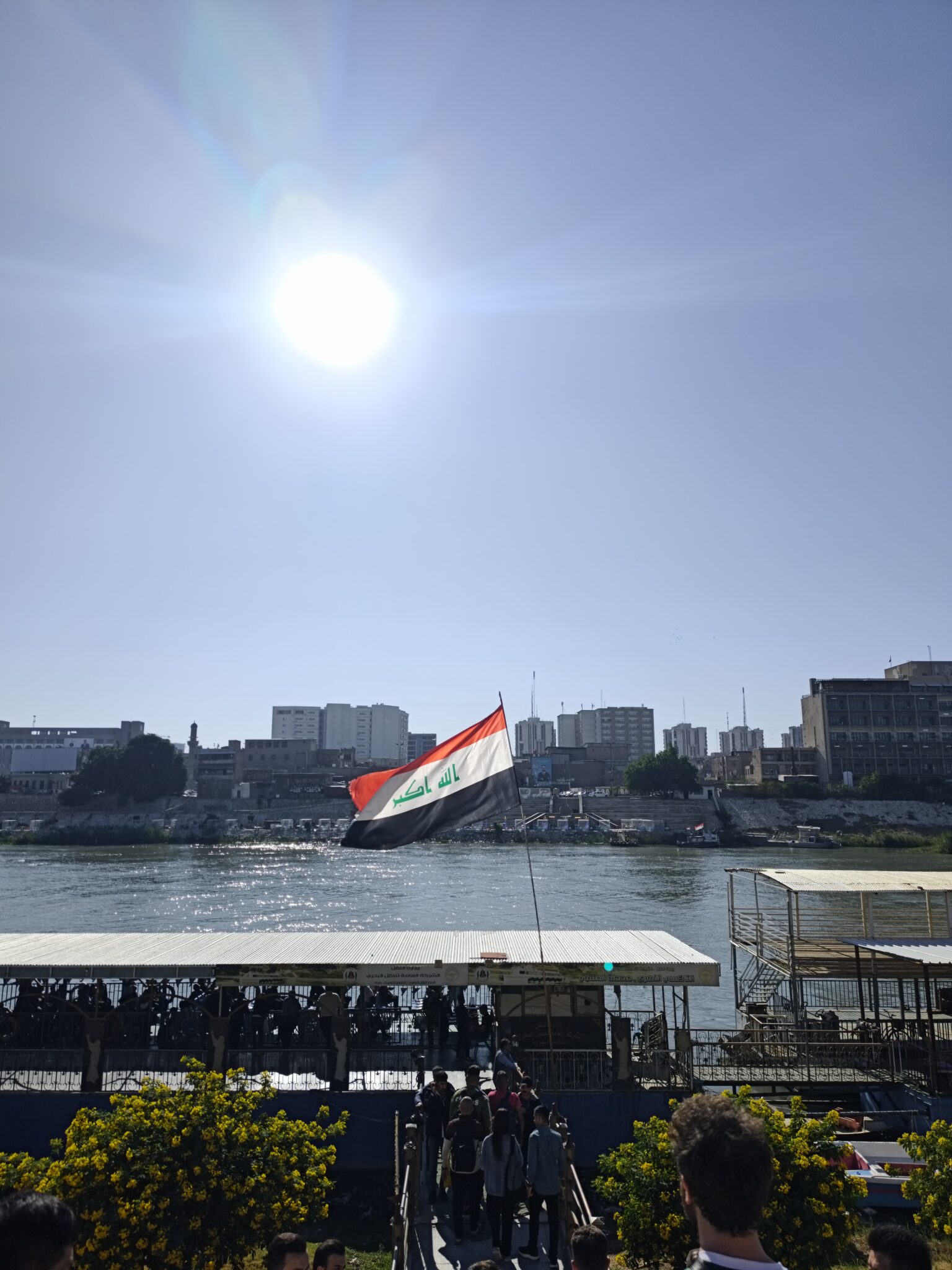
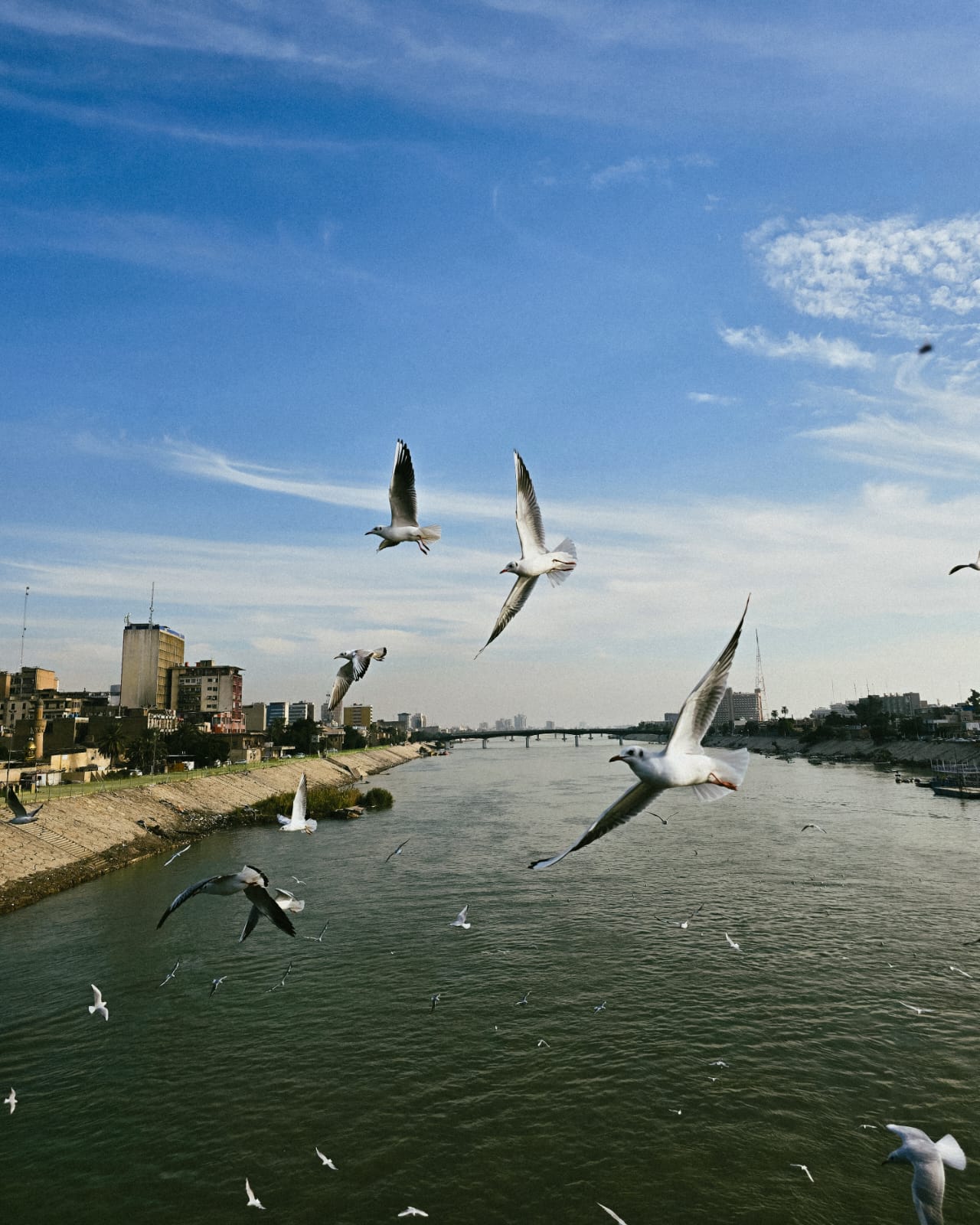
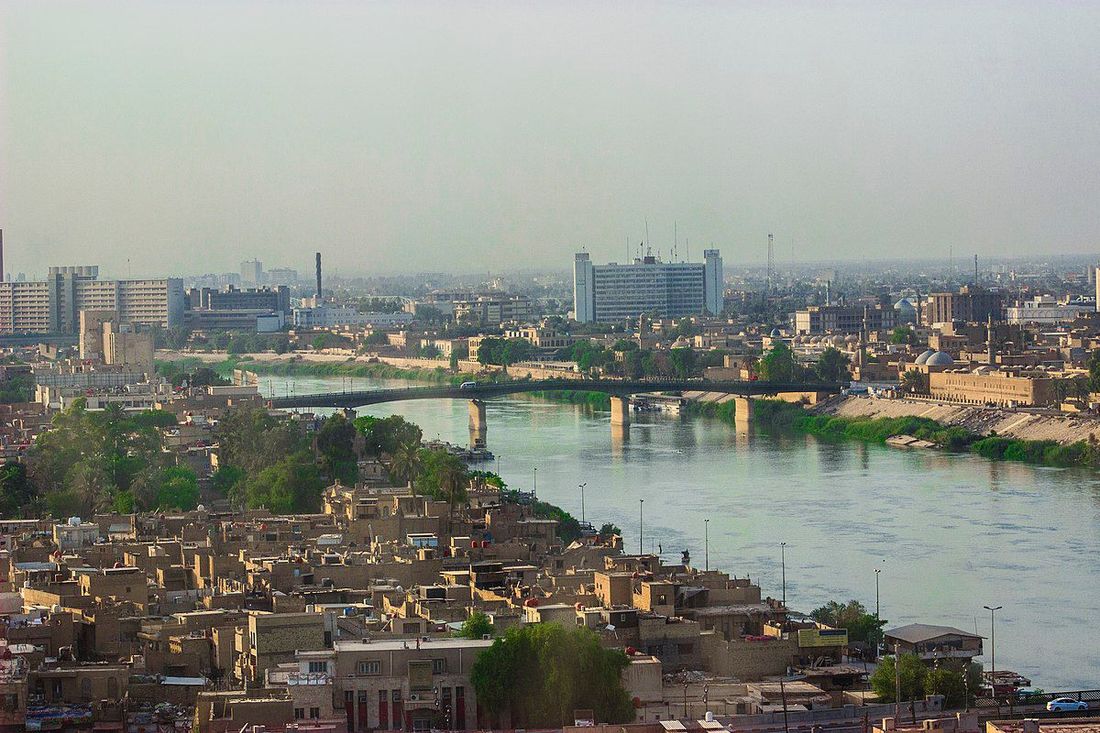
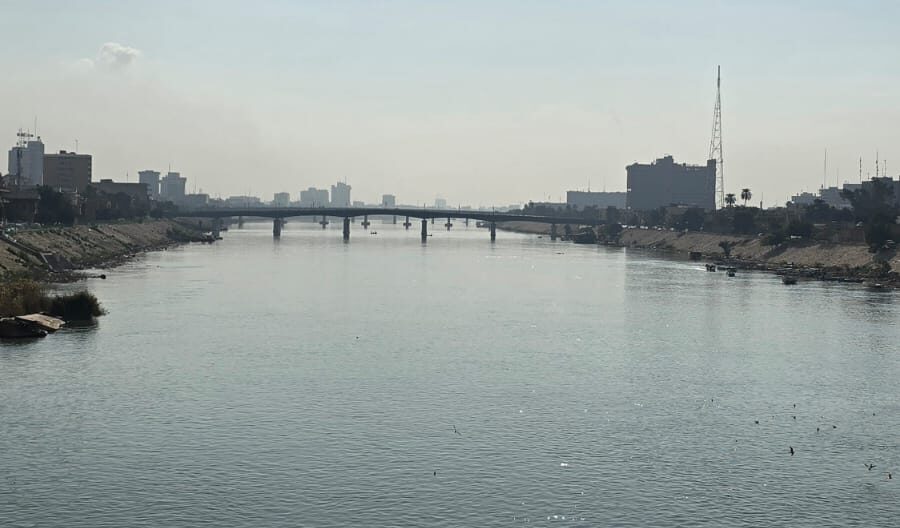
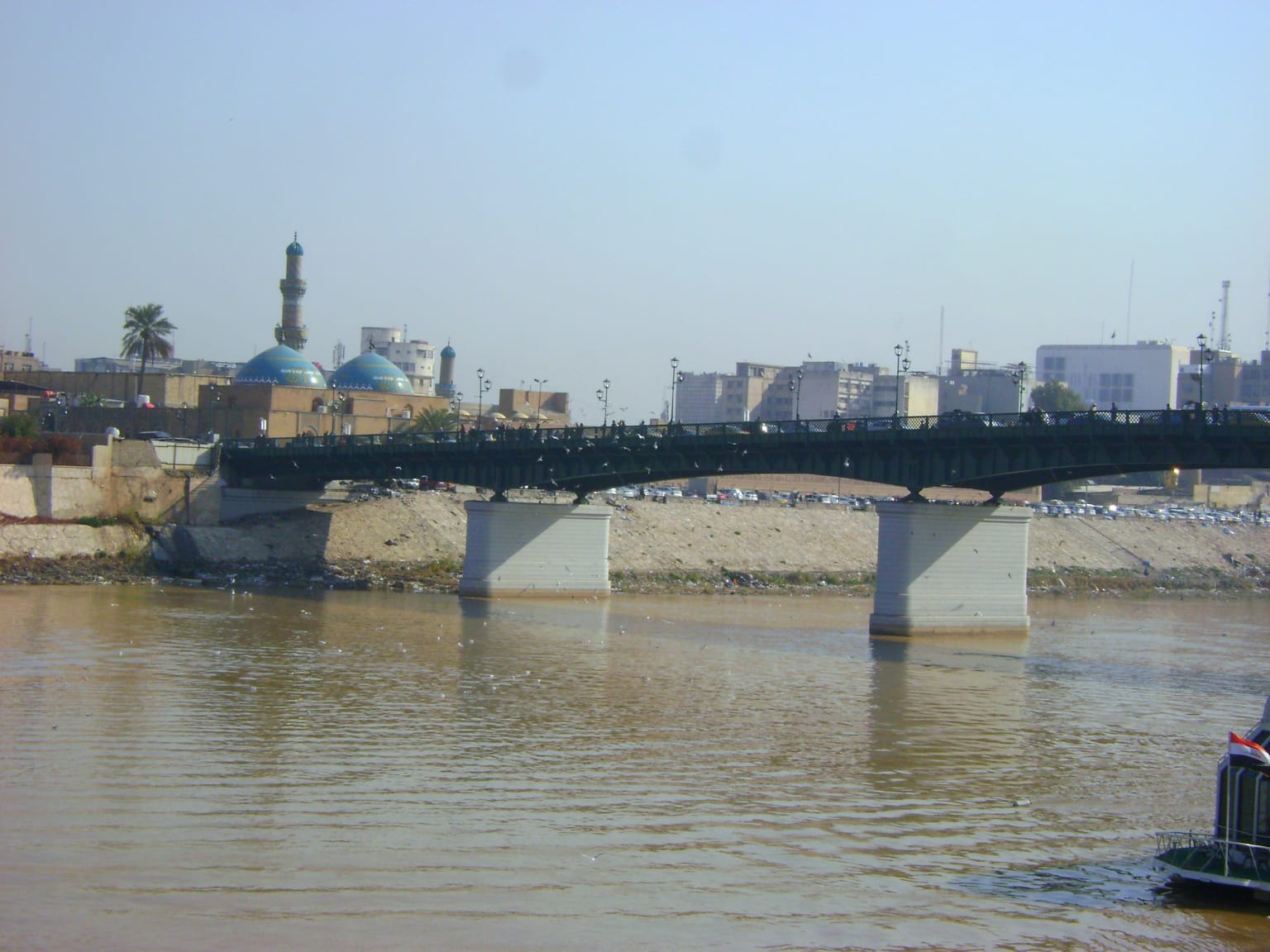
Tigris and Euphrates rivers represent the artery of life in Iraq. Tigris River rises from Turkey and flows toward the southeast to enter Iraq. For centuries the Tigris has been the lifeline of Iraq. Ancient civilizations settled around the river, boosting trade, urbanization and economic growth. In Baghdad tigris starts at AlMuthana Bridge and ends at Tigris-Diyala River confluence. It snakes 45 kilometres (28 miles) through the capital and today sprawls over 890 square kilometres (360 square miles).
Historically Tigris was also a symbol of the country’s prosperity. Iraq used to be one of the water-richest states in the Arab world. It helped to form the Fertile Crescent region that nurtured some of humankind’s earliest civilizations in Mesopotamia and Sumer. The river’s seasonal flooding regularly watered the region, creating arable land that encouraged humankind’s earliest sedentary farming communities. As agricultural methods continued to develop, the farmers of Mesopotamia and Sumer dug irrigation canals from the Tigris to help water their fields in times of low rainfall or drought.

Evidence of these early forms of field irrigation ditches and canals date back to the sixth and seventh millenniums B.C. Additionally, some of the region’s first cities grew along the banks at important natural ports and bends in the river. Around 2400 B.C., the Sumerians even dug a long canal from the Tigris to provide a water supply for the burgeoning ancient city-state of Lagash.
In addition, the Tigris served as a main avenue for ancient commerce in the region, as goods and crops were shipped throughout the region using the river. Numerous empires and city-states, such as Lagash, Ur, the Akkadian, and the Babylonians, used the river as a means of transportation for troops as well as goods. Over time, through natural processes of soil erosion due to the seasonal flooding, the Tigris grew increasingly salty. Some historians estimate that as early as 2000 B.C. the Tigris was too salty and unsuitable to be used as irrigation for agriculture. Despite this, it continued to be used for trade and transportation.
Baghdad got advantage the Tigris River penetrate geographical area and its impact on the natural environment and urban and social since its establishment in the second century AH eighth AD at the hands of its founder, the Abbasid Caliph Abu Jafar al-Mansur , and so far, and the banks of the river is considered the right place for the growth of urban communities (as points of attraction for many of the activities), which its image differed and changed according to the requirements and conditions of each era. Today Tigris River is the only potable source in Baghdad city and the quality of drinking water in the taps heavily depends on the quality of the water of the Tigris River. Tigris river discharge is constantly changing as a result of climate variations. Water flow differences will influence the water quality, hydrochemistry, and water type over time.

Baghdad cuisine
No list of Baghdad attractions is complete without its food.Food is both a natural and cultural object, its purpose as food (for humans) granted by cultural requirements, its cultural uses shaped by its natural taste and material. Food bridges the gap between outside (where it is produced) and inside (where it is consumed), and, across its existence, experiences both states.
History of the Iraqi cuisine
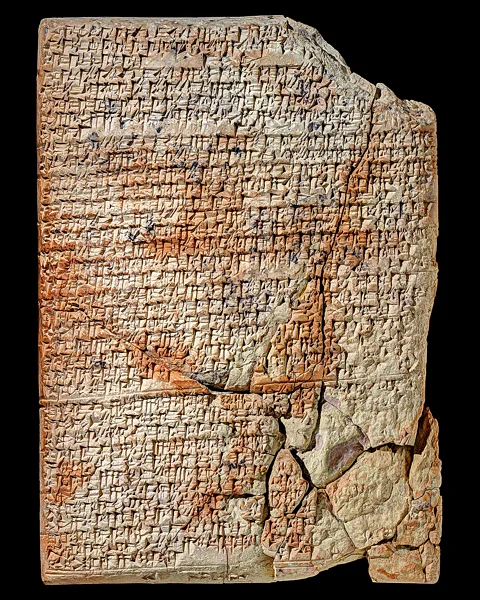
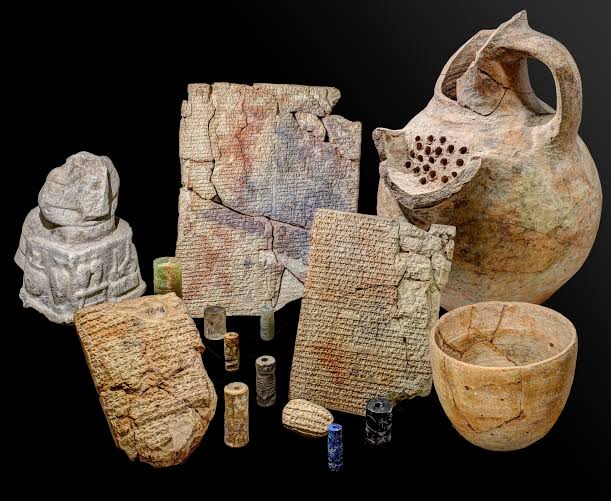
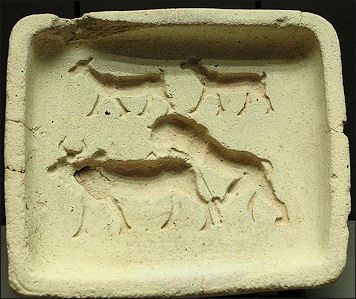
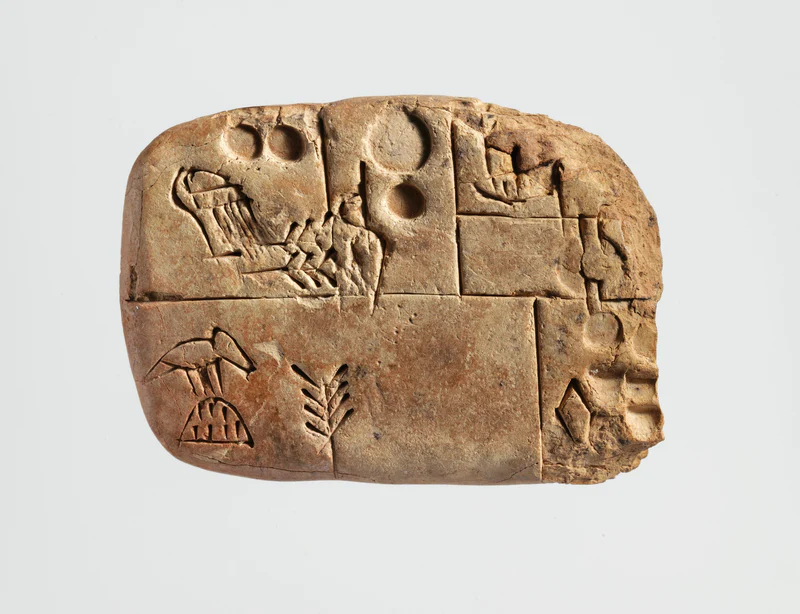
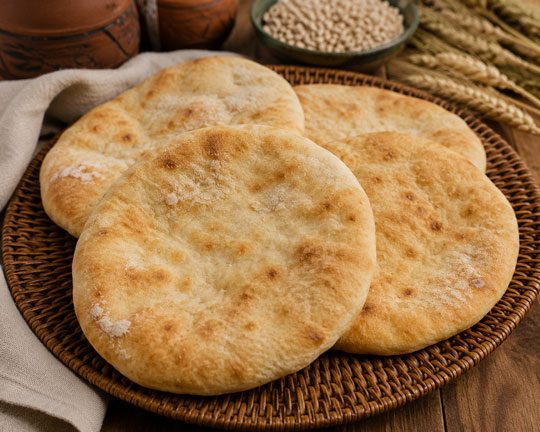
the iraqi cuisine traces its origins back to ancient civilizations like the Sumerians, Babylonians,and Assyrians. The earliest known recipes, preserved on clay tablets from 1750 BC, describe stews, roasted meats, and bread-making techniques still in use today. In Mesopotamian times, there were around 300 types of bread. More types, some simpler and some more sophisticated, were introduced over the centuries. “Some are still baked today as they were centuries ago, Khobz al-tanour, for example, which is baked in a clay-oven (tanour) has a very old history, that “tanour” is actually an ancient Sumerian word.
Iraqi cuisine has an undeniably distinctive character of its own . the long-established ethnic and religious diversity of Iraq has contributed to the diversity of dishes in Iraqi cuisine. and it’s refinement it has developed over years of trial and improvement. It evolved over thousands of years during which the land became the scene of cultural exchanges through migration, invasions, counter invasions, and colonization. In fact, the first documented ‘cookbook’ in human history was written in Akkadian on clay tablets, on the land of Babylon, about 3700 years ago.
availability is always a factor in every cuisine. Iraq had the ideal ingredients for a multiracial society. Nowhere was this pluralistic culture more evident than in the little street in Baghdad For example, fish, naturally abundant in the Tigris and Euphrates Rivers, was common in Iraqi cuisine. It was cooked in many different ways. and in the north of Mesopotamia, where grains are planted on a larger scale, they are more present in the dishes. Hence, we have the famous kubbah of Mosul (a burghul and meat pie) while eating meat was especially common in the north, given the large pastures for animals, in Baghdad fish was more common.
Historically food played a central role in Baghdad’s culture in a period when Baghdad sat at the center of a vast territory stretching from Spain to the Indlus valley, nominally enclosed by the Abbasid Caliphate although this territory contained an array of regions and cultures with greatly differing relations to the Baghdad-based Caliphs . In the late 8th to 9th century, the Abbasid Caliphate had seen a period often celebrated as a ‘golden age’, of commerce, culture, and connection. From this, a so-called ‘new wave cuisine’ emerged, a way of cooking pioneered and indulged by the upper classes of Baghdad society at elaborate dinners. These dinners were central to Baghdad’s elite political life .it is impossible to overlook the interest that Haroun Al-Rashid, the fifth Abbasid caliph, had in lavish banquets. These banquets, were not just rich in the many types of dishes on offer, but they were also generously ornamented with flowers.
So Food was also crucial to the relationship between Baghdad, the Caliphate’s urban center, and the various ecologies that made up the denoted territories. Baghdad received food from many sources: surrounding agricultural lands, caravans travelling the Caliphate’s routes and roads, and boats on its two proximate rivers, the Tigris and Euphrates.
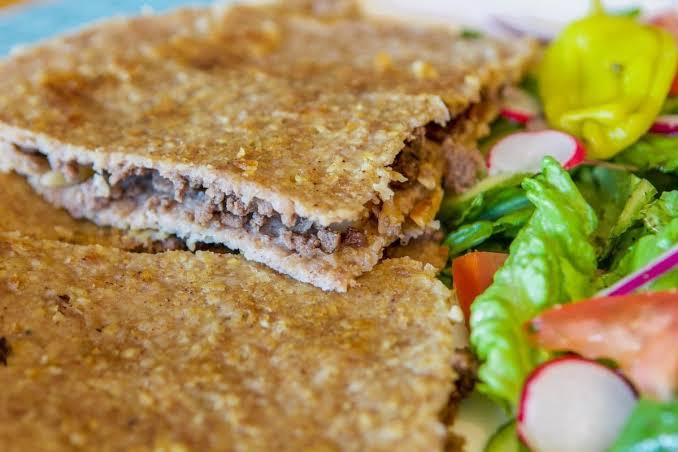
Baghdad’s Most Important Cultural Dishes
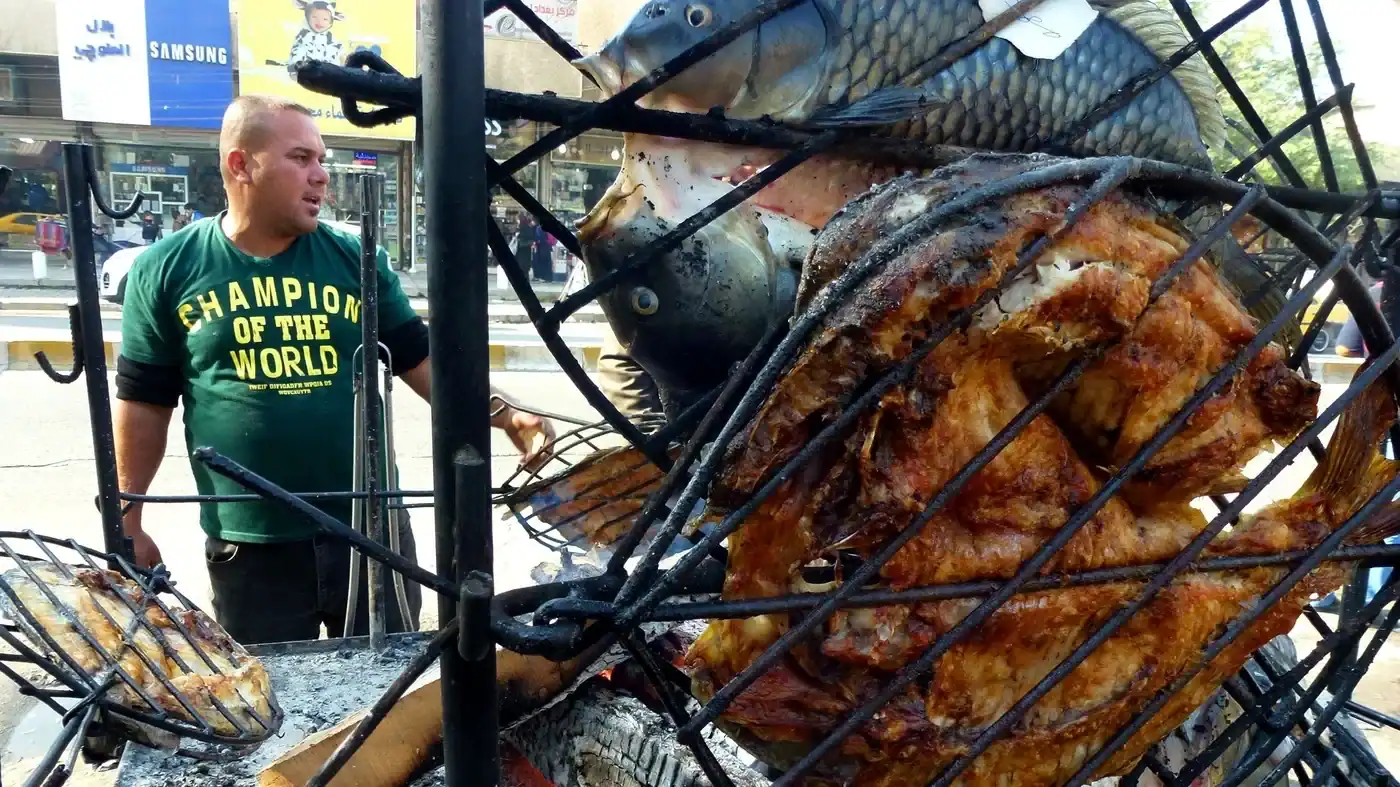
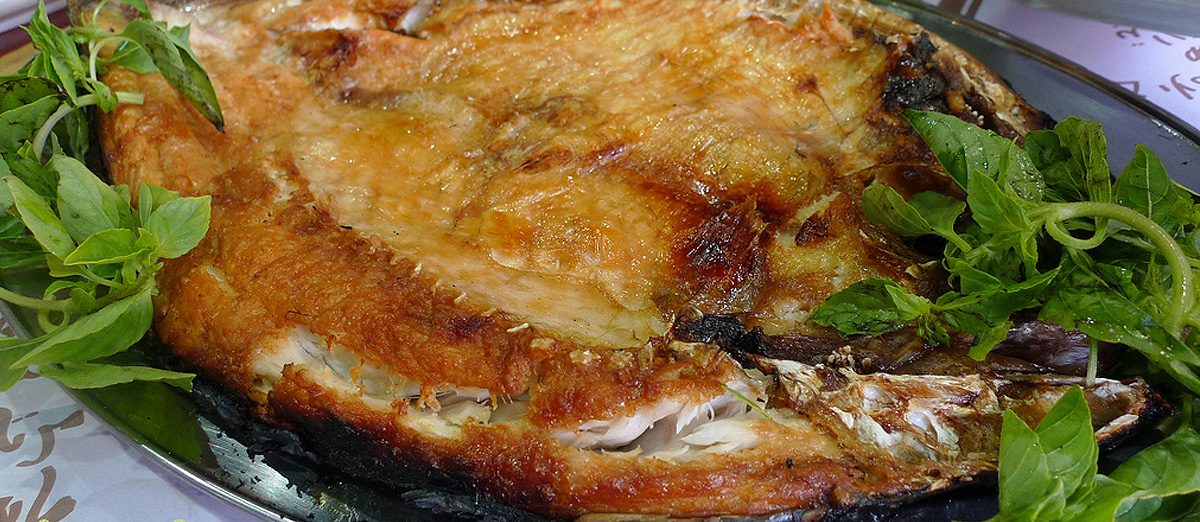
masgouf
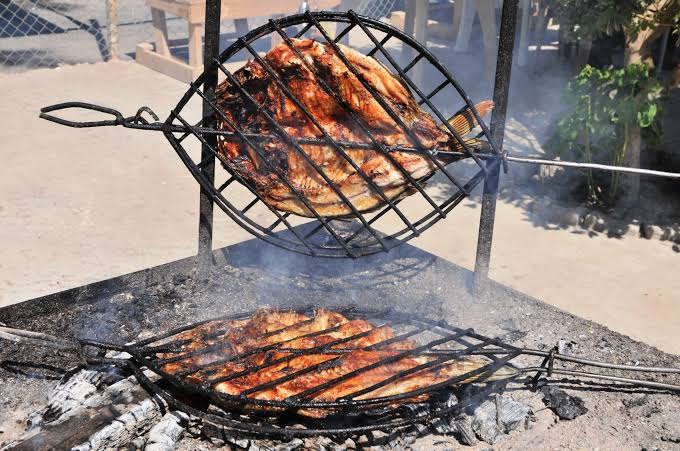
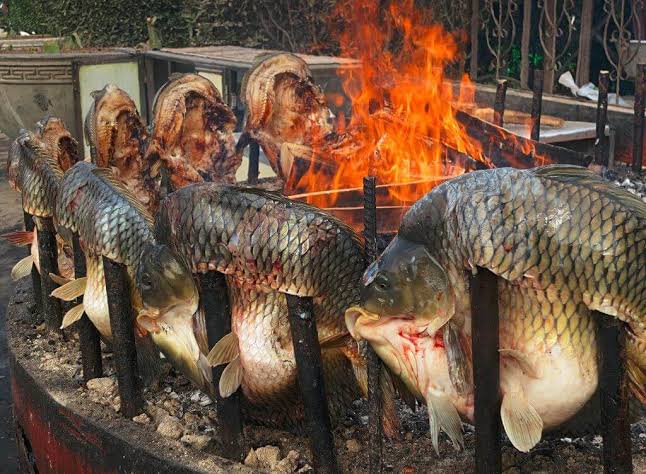
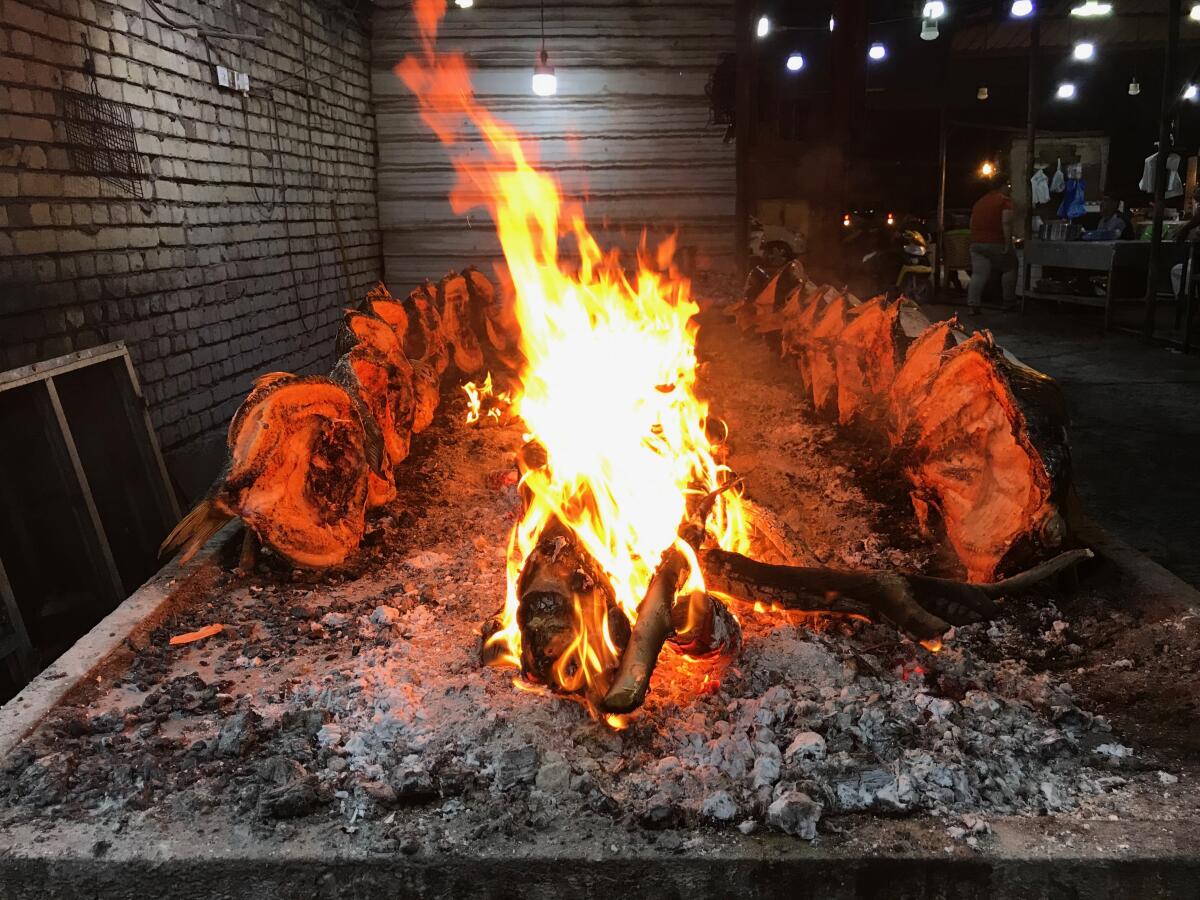
During the medieval Abbasid period, masgouf emerged as a prominent dish in Baghdad, where river boatmen known as ballamchi caught fresh carp from the Tigris and grilled it directly on the riverbanks, often seasoning it simply with salt, turmeric, and olive oil before slow-roasting over open fires.
Often mistakenly reduced to a simple grilled fish recipe, Masgouf is, in reality, a deeply ritualistic culinary practice central to the cultural and social life of Iraq, particularly Baghdad. This dish is not merely food; it is a meticulous, centuries-old Mesopotamian rite involving preparation, performance, and communal consumption that links the modern Iraqi table directly back to the country’s ancient river systems.
The history of Masgouf is intrinsically linked to the Tigris and Euphrates rivers, the lifeblood of Mesopotamia. The dish traditionally uses freshwater carp , historically abundant in these fertile waters. Unlike other grilled fish preparations, Masgouf celebrates the simplicity and quality of the river’s bounty. The term itself is thought to derive from the act of opening the fish up “like a book” before the grilling process.
What defines Masgouf is its unique cooking method, which elevates it from grilling to slow-roasting. The fish is split lengthwise down the back, cleaned, and splayed open like a butterfly. It is seasoned simply often with just rock salt, tamarind, or olive oil allowing the natural flavor of the fish to dominate.
In Iraqi culture, ordering Masgouf is a deliberate social commitment. Due to the long preparation time, it signifies patience, hospitality, and dedication to shared time. It is the centerpiece of weekend gatherings, family reunions, and formal banquets. Served traditionally on a bed of fresh bread (khubz), surrounded by sliced onions, tomatoes, and tart lemon wedges, Masgouf stands as an enduring, flavorful symbol of Iraqi communal identity, rooted in the civilization born between the two great rivers.
Shalgam Helu
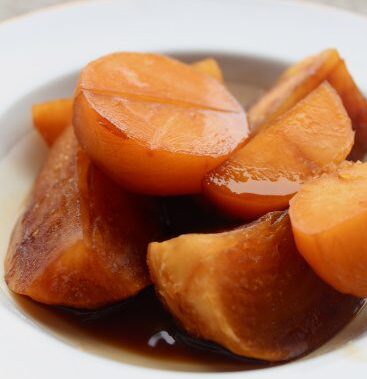
Shalgam (Turnips), a winter vegetable in Iraq, is believed to have the power to relieve cold symptoms. turnips were the principal ingredient. In Akkadian cooking, it was called ‘laptu,’ from which the Arabic lift was derived (its other name saljam/shaljam/shalgham is a Persian loan word).
shalgam Helu (sweet turnips) is a beloved street food dish and it’s fairly easy to make, It’s made from simmering turnips in water and date syrup.then serving it hot . The sight of vendors selling this dish is quite common in wintertime. The aroma emitting from those steaming huge pots is unforgettable.
Tashreeb
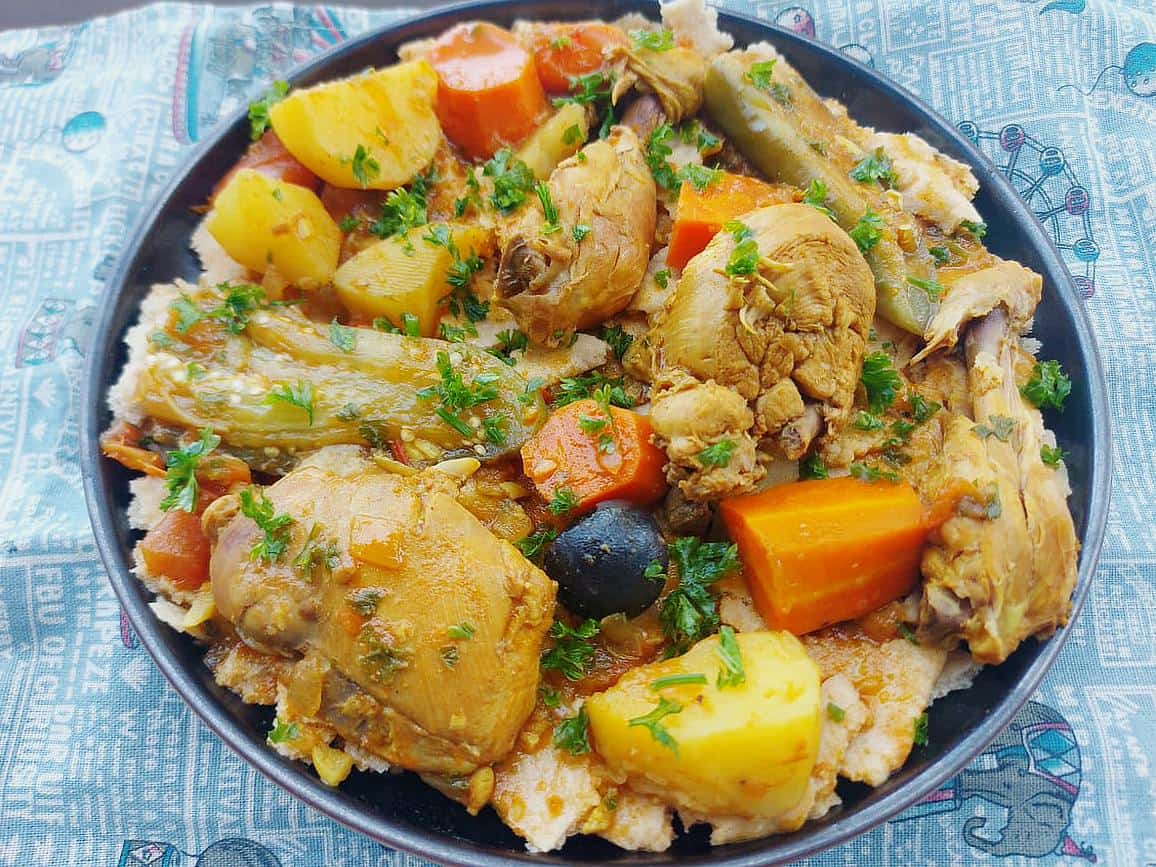
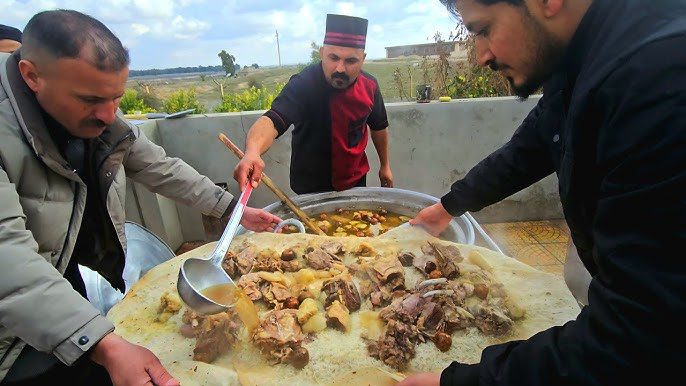
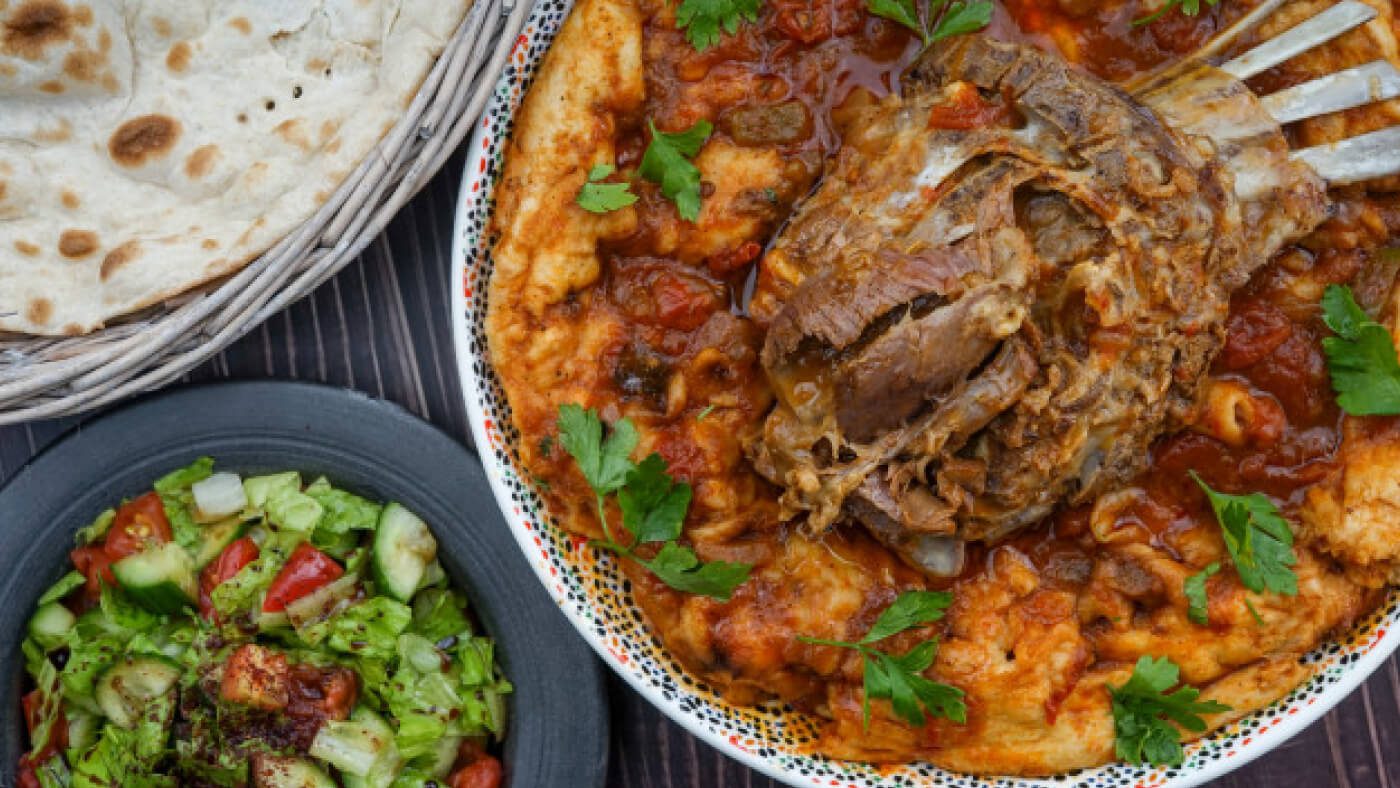
Tashreeb in Arabic means to soak, which is a name given to any dish with broth-soaked bread topped with meat and vegetables. Tashreeb is a common Iraqi dish, its concept begins with the poor who are able to put whatever they have in the stew and then serve it over bread in order to make it filling. At the present time, this dish has become a staple food in many Iraqi and Middle Eastern households and it is absolutely delicious!
The origins of tashreeb trace back centuries, with its roots in Iraqi and Mesopotamian cuisine. It has been passed down through generations, often enjoyed during colder months or family gatherings.
The method of soaking bread in broth not only makes use of staple ingredients but also creates a dish that brings people together around the table. Regional variations exist, with different families and areas incorporating their own spices or vegetables.
Tashreeb is typically served hot, making it a favored choice during family meals or festive occasions. It is eaten using hands or spoons, with the soaked bread acting as both utensil and food..
Kahi and Qeymar
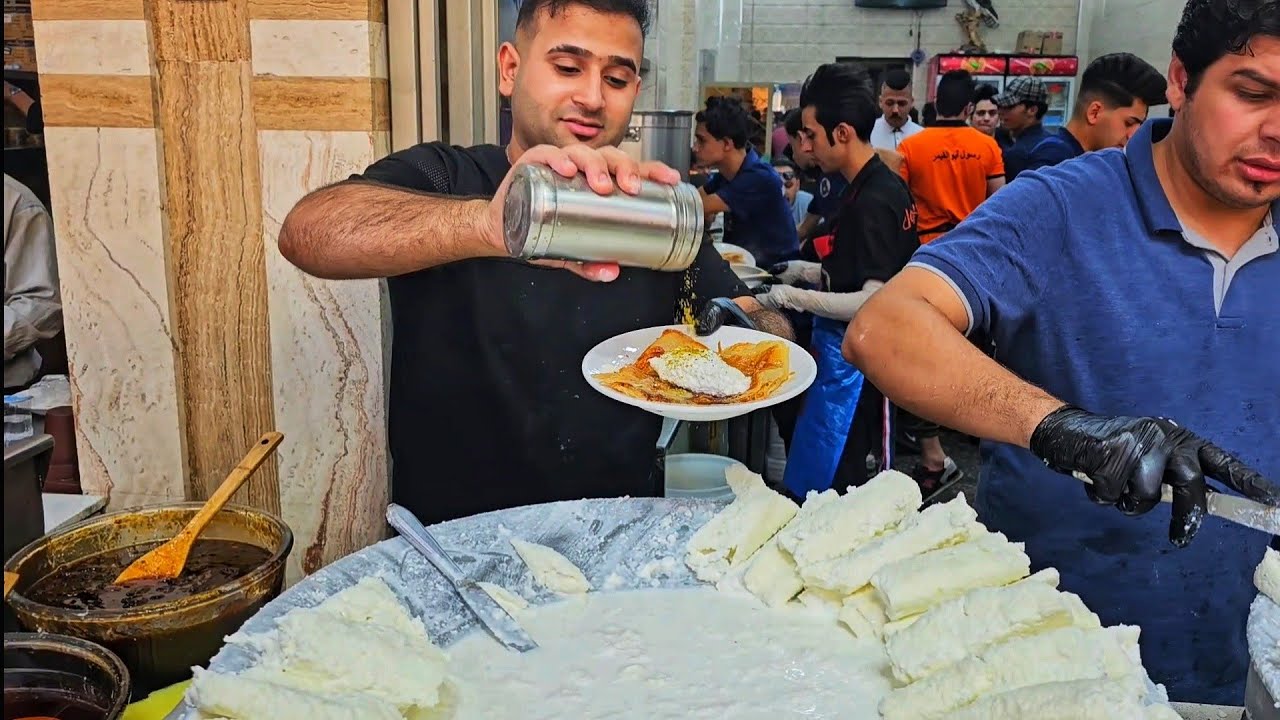
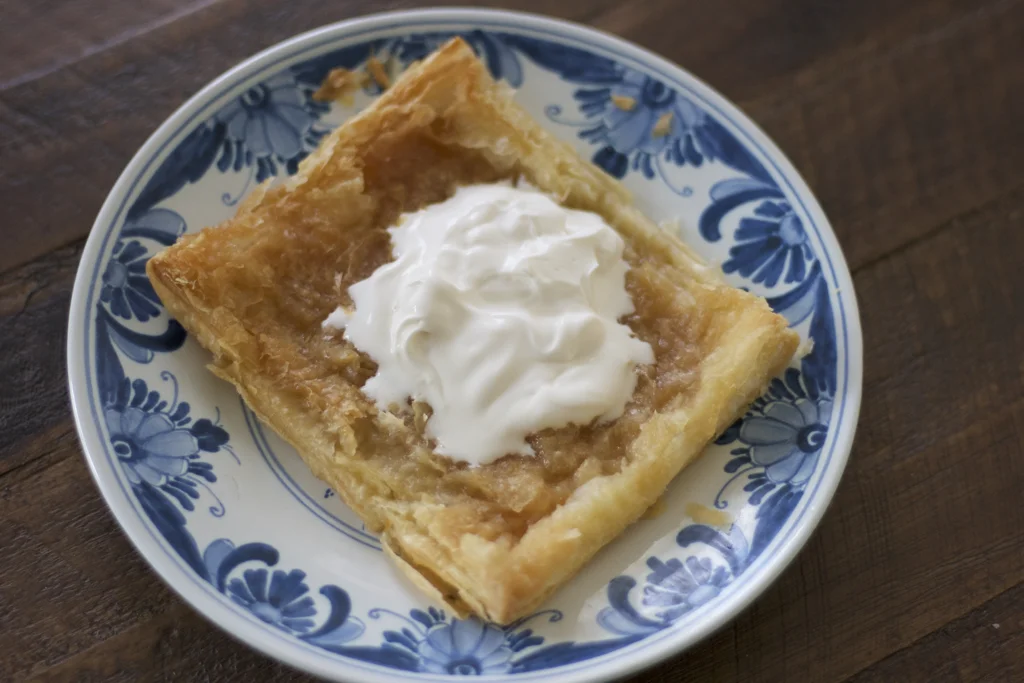
Kahi is the ultimate Iraqi breakfast indulgence. Layers of fluffy, flaky pastry soaked in simple syrup and topped with a thick clotted cream called geymar.
For many Iraqi families, especially in Baghdad, Eid al-Fitr begins with a familiar breakfast: Geymar and Kahi served with tea, a tradition that has long marked the first morning after the end of Ramadan.
After 30 days of fasting and abstaining from breakfast, families gather around a tray of Geymar and Kahi in a ritual that signals both the end of the fasting month and the start of the holiday.
Beyond the meal itself, the tradition carries a strong social meaning. The morning gathering, paired with Eid greetings and shared tea, turns the breakfast table into a space for family reunion and celebration.
Some residents travel long distances to buy them. He noted that areas such as al-Sadriya, al-Kadhimiya, and Bab al-Muadham were once especially known for their geymar sellers, attracting customers from across the capital.

Kubba Al Saray
Kubba al saray is a traditional dish popular in Baghdad’s cuisine .It typically consists of a mixture of finely ground meat (usually lamb or beef), onions, and spices encased in a round shell made from bulgur, cooked. Over steaming soup and accompanied by bread, It’s very name “saray,” meaning palace was a clue to its prestigious past.
Legend says it was once a delicacy of the Ottoman sultans, who feasted on these golden morsels in their lavish courts. Some food historians, however, trace its roots even further back, to the Abbasid Caliphate, when Baghdad was the cultural and culinary heart of the Islamic world.
The dish had travelled centuries, surviving dynasties, upheavals, and reinventions, and today it remained not just alive but thriving now a beloved comfort food for ordinary Baghdadis.

Start Experiencing Baghdad
Baghdad is not just an ordinary city, It was the foundation of the civilization as we know it todayand these are just some of the best things to do in Baghdad You can experience Baghdad’s Rich history, culture and authentic food by booking your tour with us