Hillah Iraq:Gateway to Babylon’s Ancient Legacy
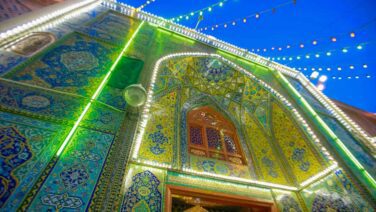
Hillah Iraq is home to the legendary city of Babylon, one of the most famous sites of ancient Mesopotamia. Located in the Babil Governorate, this area showcases the heart of the Babylonian Empire and its archaeological marvels. Nearby, the imposing Saddam Palace adds a layer of modern historical intrigue.
Historical Background
- Babylon: Dating back to at least the 18th century BC, Babylon was a key kingdom in ancient Mesopotamia. It reached its zenith under King Nebuchadnezzar II, who reigned from 605-562 BC. The city is famous for its impressive walls, gates, and the Hanging Gardens of Babylon, one of the Seven Wonders of the Ancient World.
- Saddam Palace: Constructed during the rule of Saddam Hussein, this palace is a testament to the opulence and grandiosity of his regime. Built atop a man-made hill, the palace offers panoramic views of the ancient city of Babylon.
Getting There
Hillah is located approximately 100 kilometers south of Baghdad. The most common way to reach Babylon and Saddam Palace is by road. You can hire a private car or take a guided tour from Baghdad.
Major Attractions
Babylon
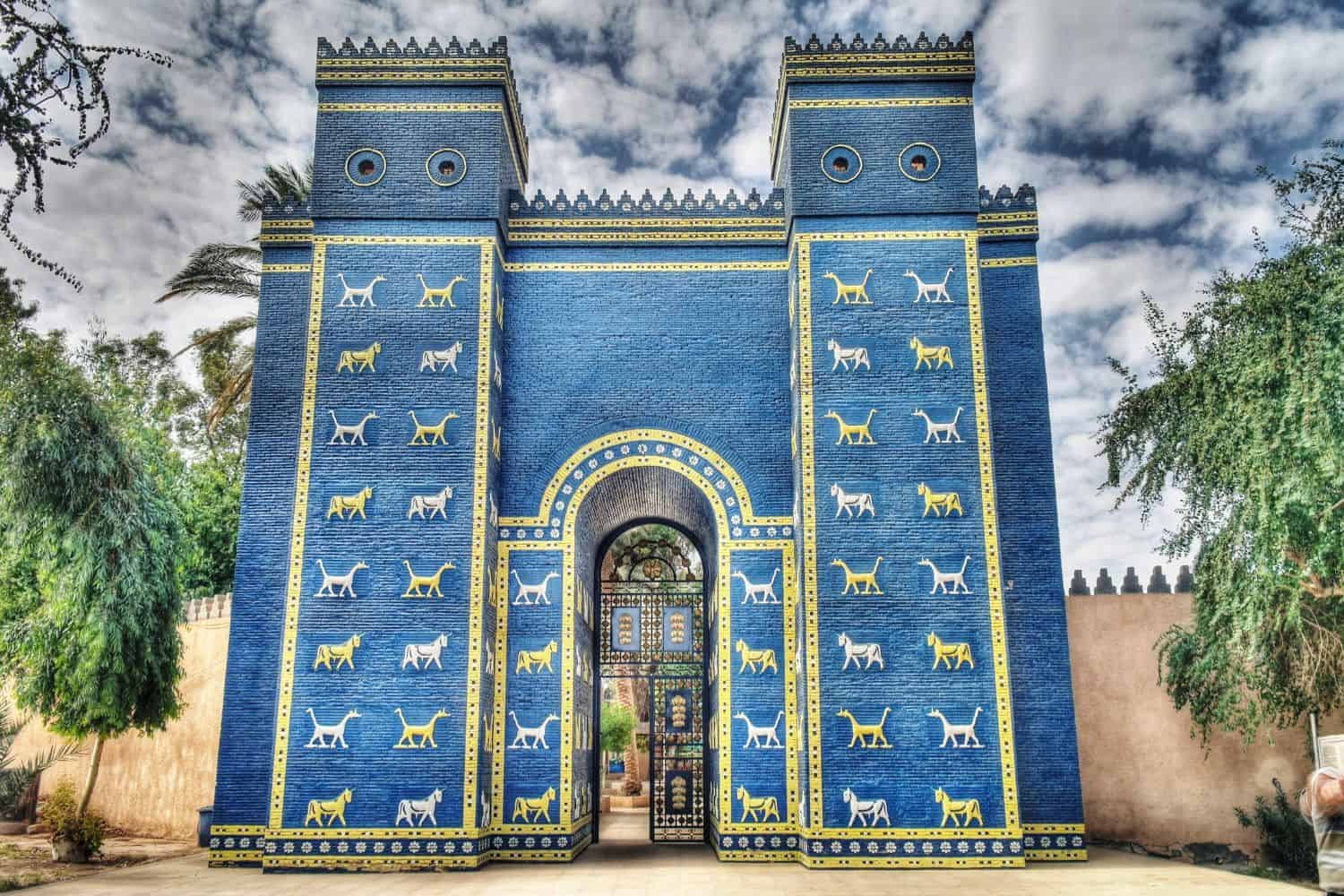
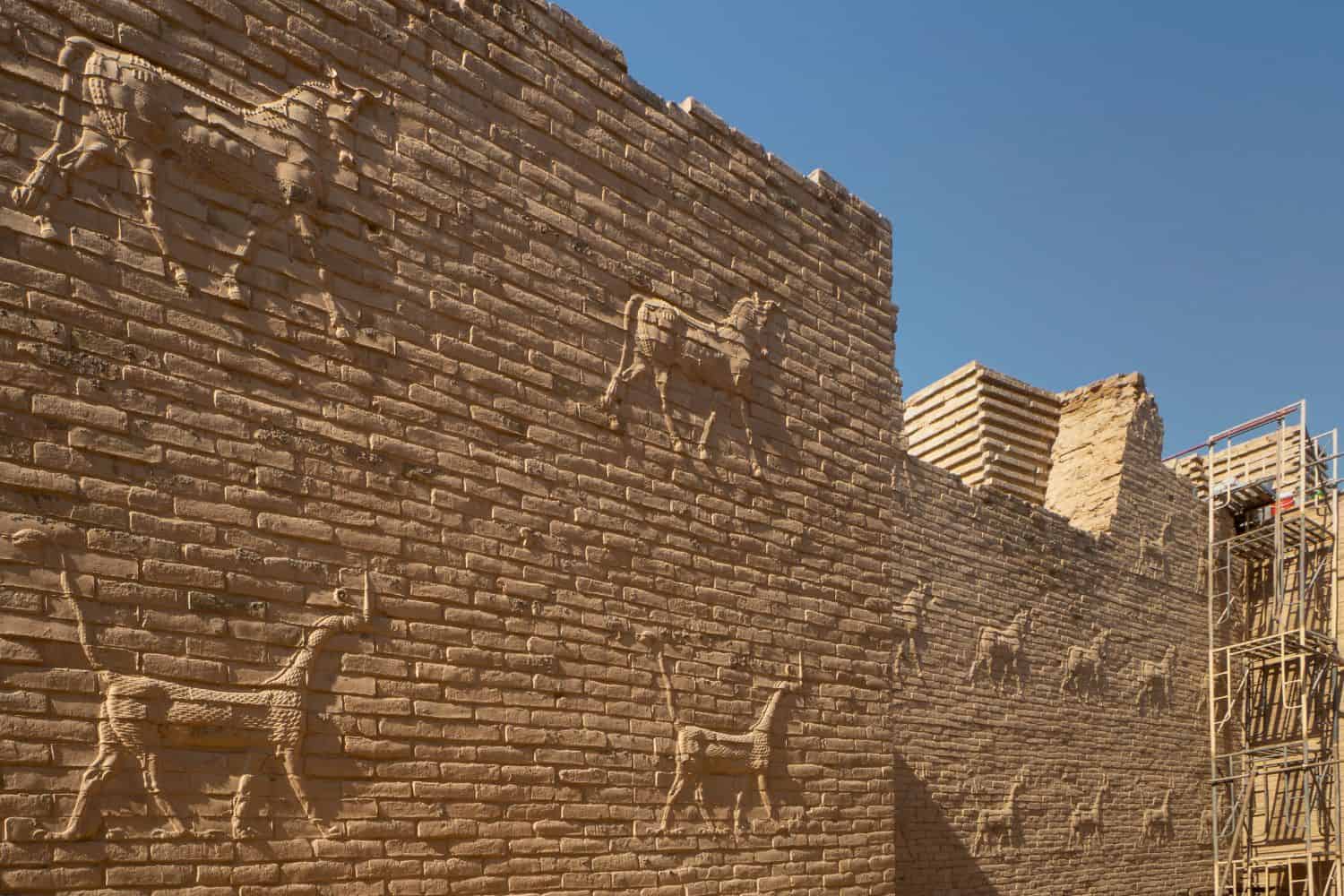
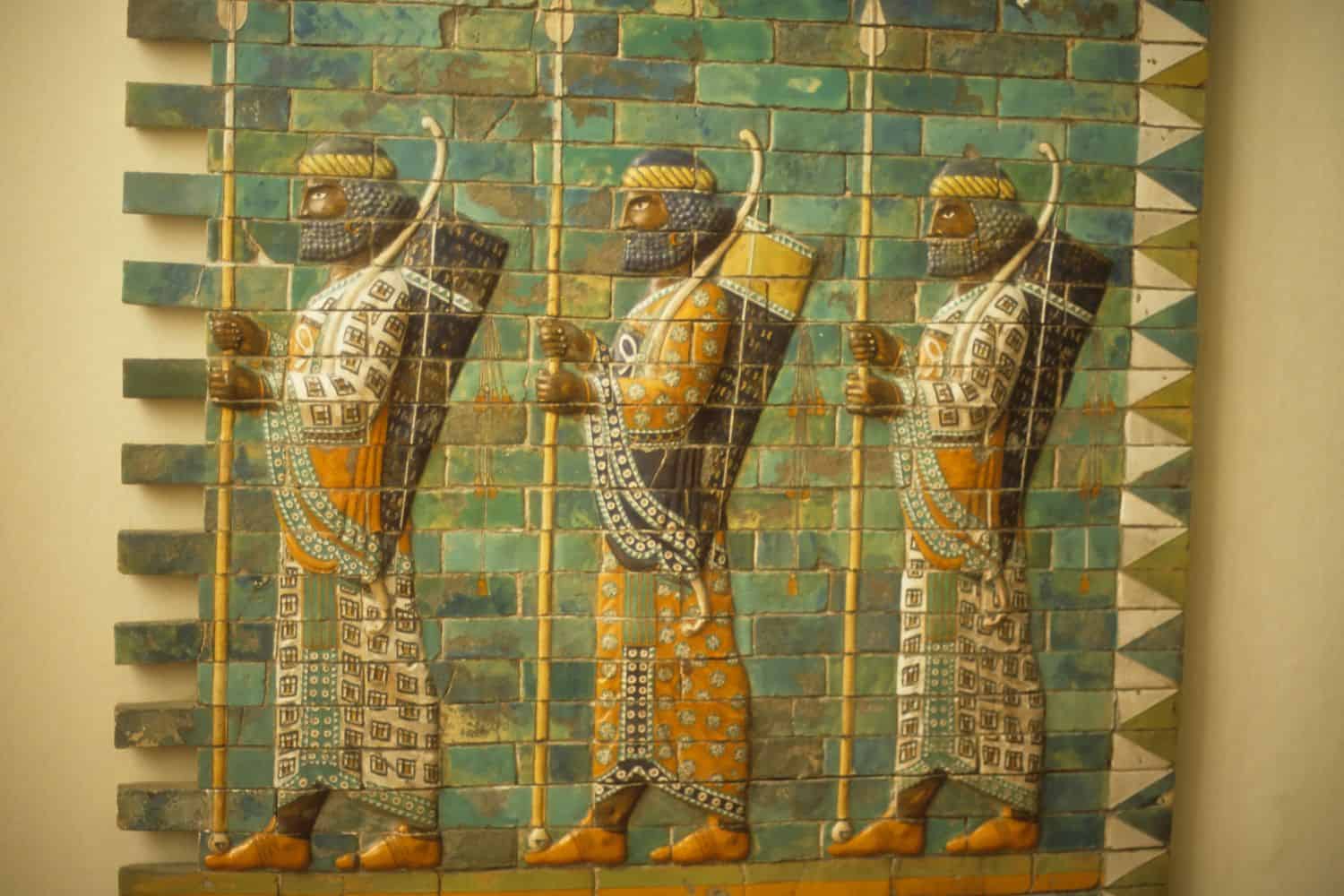
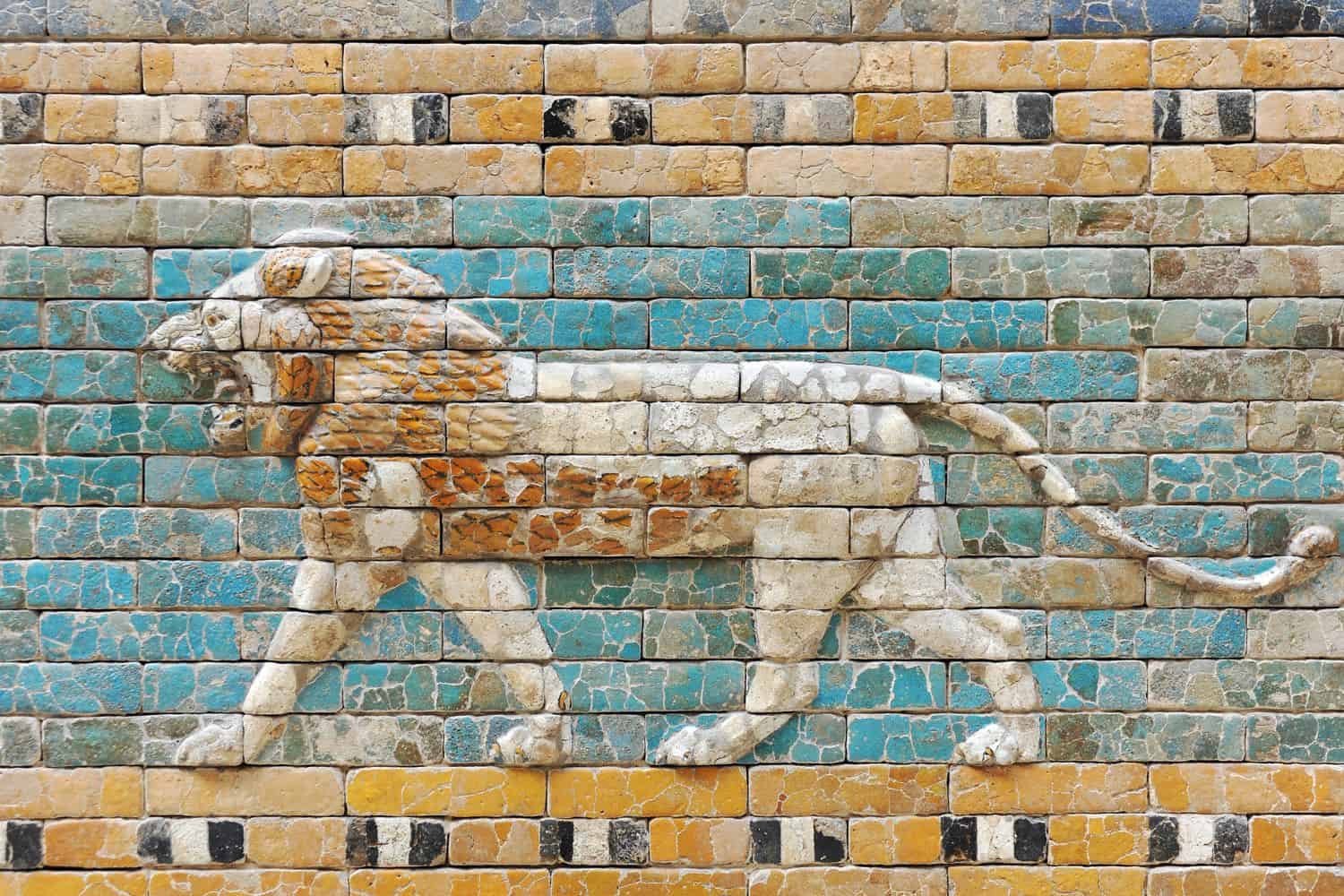
- Ishtar Gate: The most famous of the eight gates leading into the inner city, the Ishtar Gate is adorned with images of dragons and bulls, symbolizing the gods Marduk and Adad.
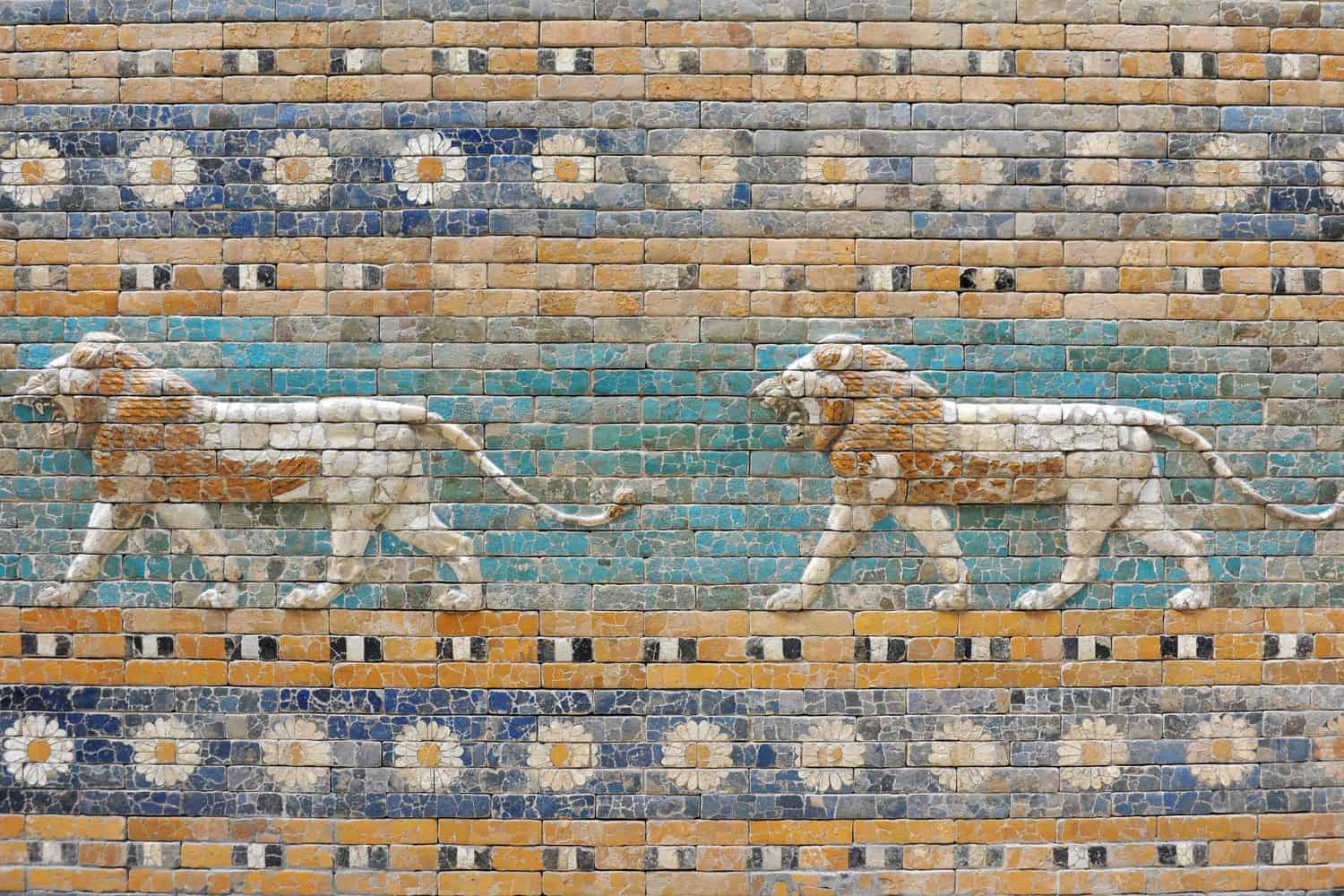
- Processional Way: This ancient road once led through the Ishtar Gate, lined with walls covered in reliefs depicting lions, flowers, and dragons.
- Hanging Gardens of Babylon: Although no archaeological evidence has been found to confirm their existence, the Hanging Gardens are one of the most talked-about features of ancient Babylon. They are said to have been built by Nebuchadnezzar II for his wife Amytis.
- Nebuchadnezzar’s Palace: Explore the ruins of the grand palace where the great king once resided.
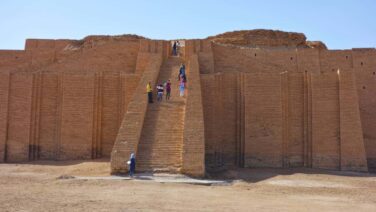
- Etemenanki Ziggurat: A massive structure believed to be the inspiration for the biblical Tower of Babel.
Saddam Palace
- Palace Grounds: Wander through the extensive grounds of the palace, which include gardens, lakes, and artificial waterfalls.
- Interior Rooms: Although much of the palace’s grandeur has been stripped away, the remaining rooms still provide a glimpse into the luxurious life of Saddam Hussein.
- Views of Babylon: From the top of the palace, you can enjoy panoramic views of the ancient ruins of Babylon.
Tips for Visitors
- Best Time to Visit: The best time to visit Babylon and Saddam Palace is during the cooler months from October to March.
- Dress Code: Iraq is a conservative country, so it’s recommended to dress modestly. For women, this means covering arms and legs, and a headscarf may be required at certain religious sites.
- Guided Tours: Hiring a local guide is highly recommended to get the most out of your visit. Guides can provide detailed historical context and ensure a safe and informative trip.
- Security: Check travel advisories before planning your trip. The security situation can change, and it’s essential to stay informed.
- Photography: Photography is generally allowed, but always ask for permission when taking pictures of people.
Practical Information
- Location: Hillah, Babil Governorate, Iraq
- Opening Hours: Typically from 9 AM to 4 PM, but it’s best to check locally for any changes.
- Entrance Fees: There may be a nominal fee to enter the archaeological sites. Guided tours usually include entrance fees in their pricing.
- Facilities: Basic facilities such as restrooms and small cafes are available near the sites. It’s advisable to carry water and snacks, especially during the summer months.
Babylon attractions
Hillah Iraq is the gateway to Babylon, one of the most historically significant cities of ancient Mesopotamia. Located in Hillah Iraq, Babylon was a cultural and political powerhouse, especially during the reign of King Nebuchadnezzar II in the 6th century BCE. Today, Hillah Iraq attracts visitors eager to explore the legendary Hanging Gardens, the iconic Ishtar Gate, and the ancient Temple of Marduk. The ruins in Hillah Iraq, including sections of Babylon’s city walls and palace, continue to reveal the grandeur of this ancient civilization.
To learn more about Babylon’s UNESCO World Heritage status, visit the official UNESCO page.
Here’s an overview of the key attractions in Hillah Iraq’s Babylon:
Key Attractions in Babylon:
Historical Attractions
The Ishtar Gate A grand entrance to ancient city, adorned with blue-glazed bricks and reliefs of mythical creatures like dragons and bulls. It was dedicated to the goddess Ishtar and served as a major ceremonial gateway into the city.
The Processional Way An ancient road that connected the Ishtar Gate with the Temple of Marduk, lined with statues and reliefs of lions and other symbols. It was used for religious and royal processions.
The Babylonian Palace The extensive palace complex of kings, including the Throne Room and various administrative buildings. It showcases the grandeur and opulence of ancient architecture.
Religious and Cultural Sites
The Temple of MardukThe central religious site dedicated to Marduk, the chief deity. The temple included the famous ziggurat Etemenanki, which is thought to have inspired the Biblical Tower of Babel.
The Hanging Gardens of Babylon Though its exact location is debated, this legendary garden is described as one of the Seven Wonders of the Ancient World. It was said to be an impressive feat of engineering and horticulture.
Archaeological Sites
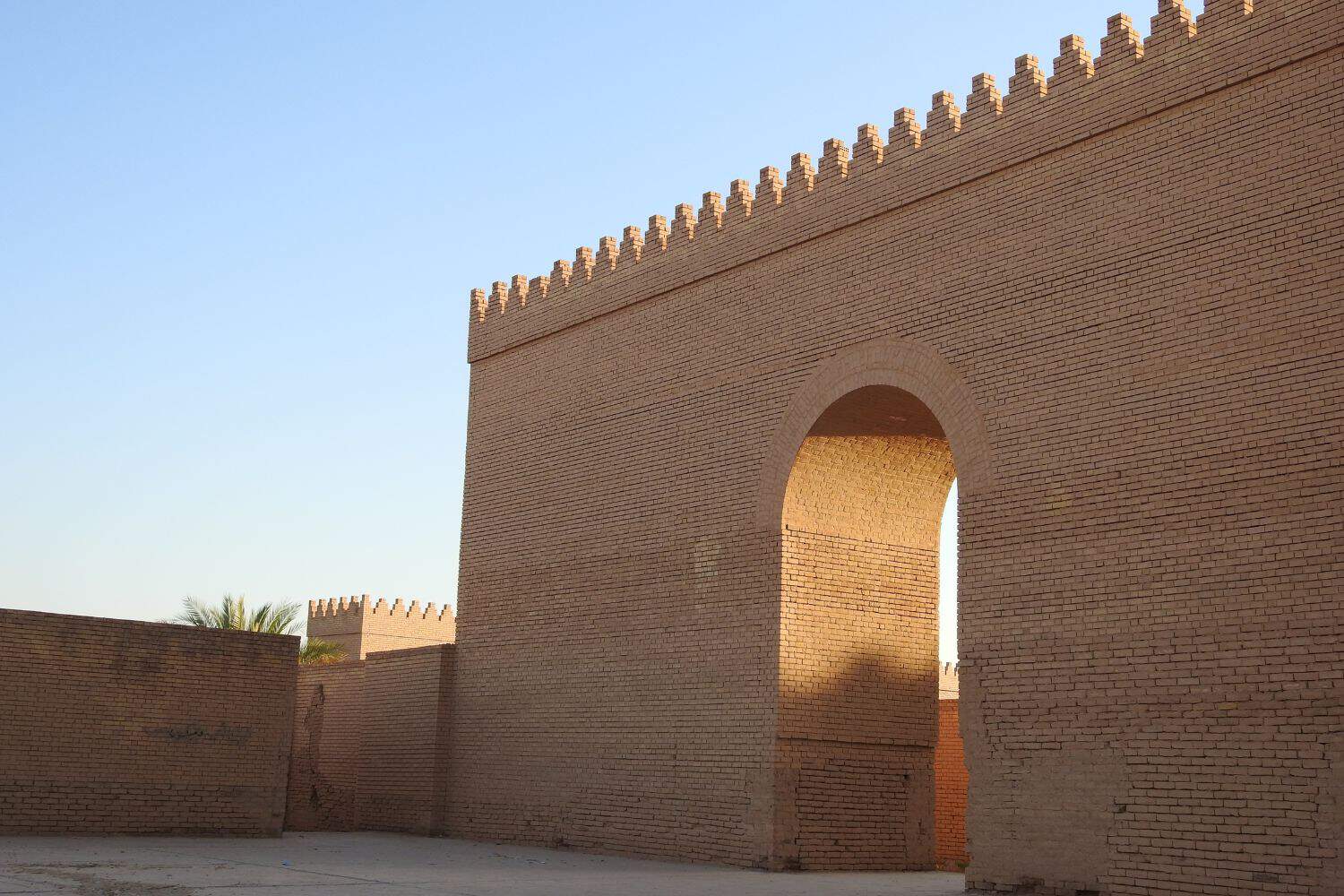
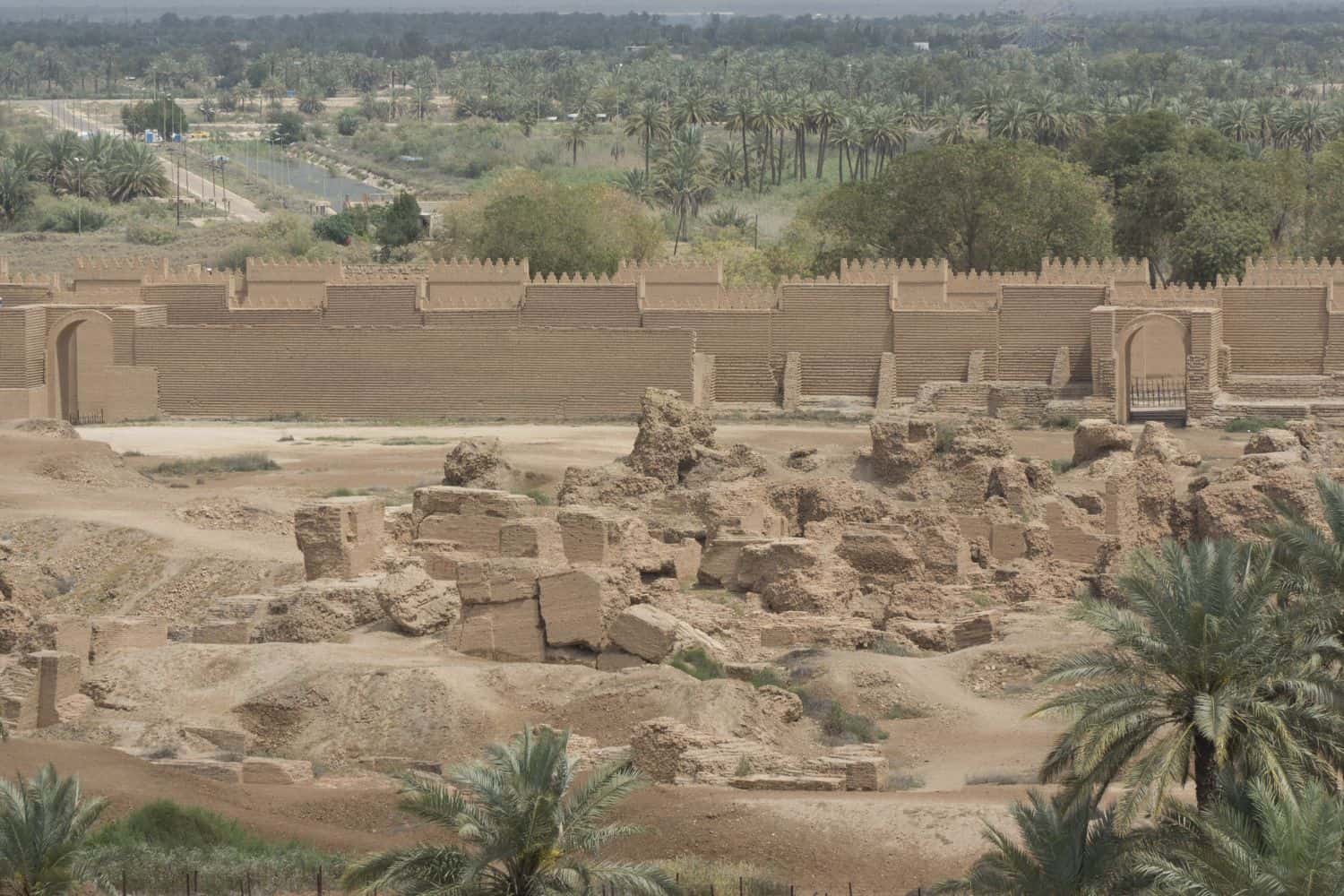
The Babylon Archaeological Site The extensive ruins of the ancient city, including city walls, gateways, and temple remnants. Ongoing excavations and restoration work reveal the scale and complexity of the ancient city.
The Lion of Babylon A large stone sculpture of a lion that once adorned the city’s defenses. It symbolizes the power and majesty of the city and is an important artifact from the era.
Natural and Scenic Attractions
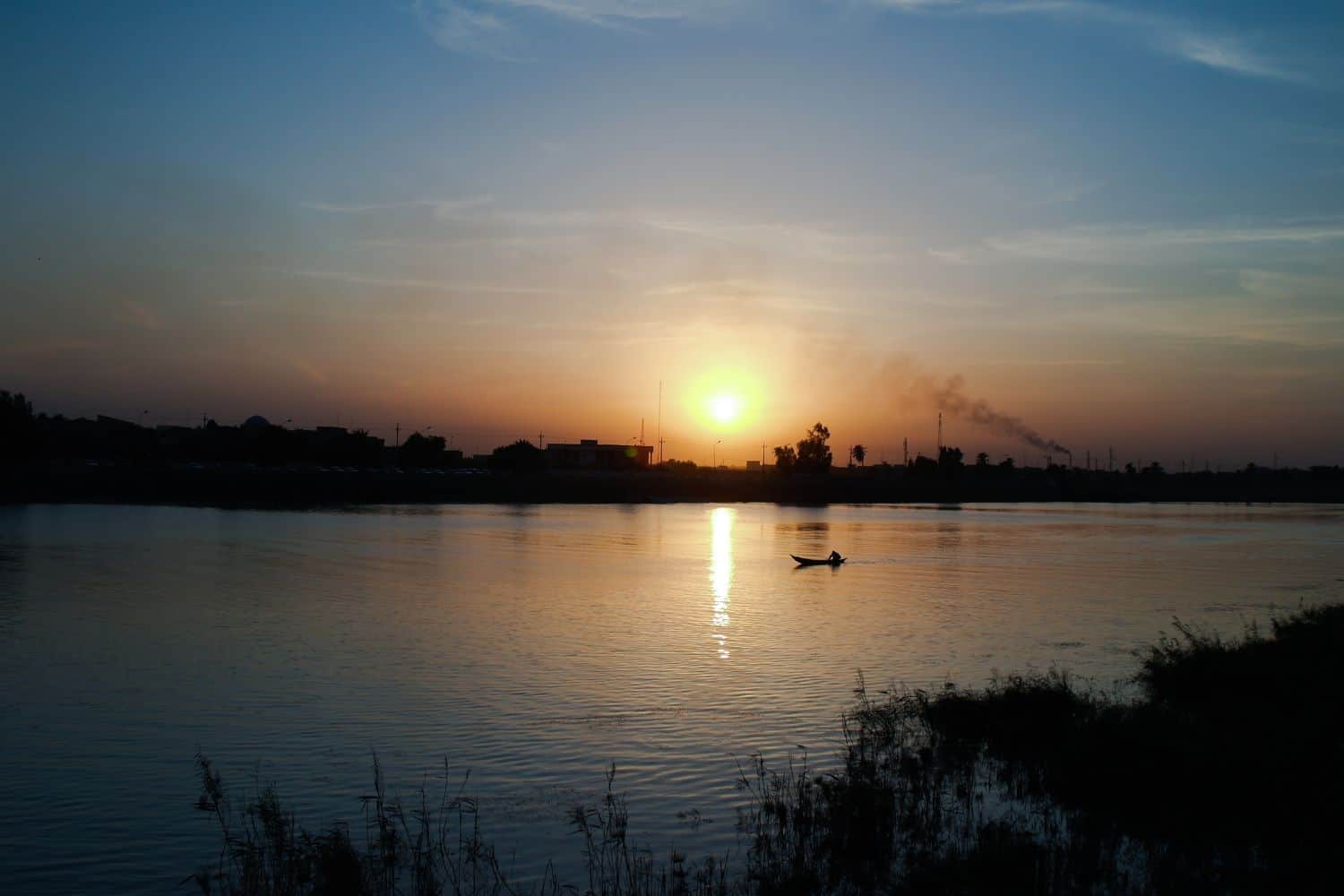
The Euphrates River The river runs through the city and has been crucial to the city’s history. The riverbanks offer scenic views and a relaxing environment, highlighting the natural landscape surrounding the ancient city.
Babylonian Ruins The sprawling ruins of the ancient city provide a dramatic backdrop against the desert landscape. Exploring these remnants offers a sense of the city’s former grandeur and the natural beauty of the region.
Travel Tips for Babylon
Cultural Sensitivity
- Dress Modestly: Ensure your attire is respectful, especially when visiting historical and religious sites.
- Respect Local Customs: Be aware of and adhere to local customs and guidelines while exploring archaeological sites.
Health Precautions
- Vaccinations: Check for required vaccinations before traveling, such as Hepatitis A and B and Typhoid.
- Food and Water Safety: Drink bottled or purified water and avoid consuming raw or undercooked food.
- Travel Insurance: Obtain comprehensive travel insurance that covers health emergencies and other unforeseen events.
Communication
- Language: Arabic is the primary language. Basic English may be understood in some tourist areas.
- Mobile Connectivity: Ensure you have a local SIM card or international roaming for communication and navigation.
- Emergency Contacts: Keep emergency numbers and the location of local medical facilities handy.
Conclusion
Hillah Iraq is home to Babylon, a city of profound historical and archaeological significance that offers a unique window into the grandeur of ancient Mesopotamia. Located in Hillah Iraq, Babylon features legendary sites such as the Hanging Gardens, the majestic Ishtar Gate, the Temple of Marduk, and the Palace ruins—each a testament to the city’s rich heritage. The Babylon Museum and the famous Lion of Babylon further enrich the historical experience in Hillah Iraq, offering deep insights into the region’s cultural legacy.
Alongside the scenic Euphrates River and the expansive Babylon Archaeological Site, Hillah Iraq stands out as a compelling destination for lovers of ancient history and archaeology. Visiting Babylon and the Saddam Palace in Hillah Iraq provides a unique opportunity to explore Iraq’s layered past—from the grandeur of empires to more recent historical chapters. Whether you’re a history enthusiast, an archaeology lover, or a curious traveler, Hillah Iraq promises an unforgettable journey through time.